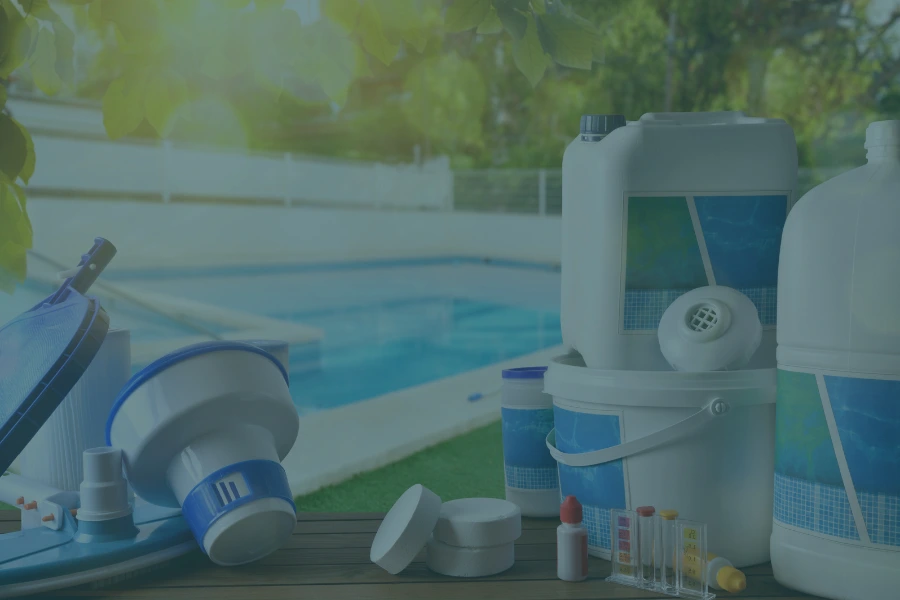
Pool chemicals are used in swimming pools, hot tubs, hotels, recreational facilities, and commercial aquatic centers to sanitize water, control pH, and prevent algae growth. These products include chlorine-based sanitizers, acids, and other chemicals that can present serious hazards when improperly stored or handled.
When pool chemicals expire, become contaminated, or are no longer needed, they cannot always be discarded like ordinary cleaning products. Certain chemicals can react dangerously when mixed with incompatible substances or exposed to moisture, making proper disposal especially important.
HazWaste Environmental Inc helps businesses arrange hazardous waste disposal services by reviewing chemical inventories, identifying appropriate disposal options, and coordinating qualified service providers.
Quick Answer: How Do You Dispose of Pool Chemicals?
Pool chemicals should be kept in their original labeled containers and disposed of through an appropriate waste management program. Available disposal options include:
- HazWaste Environmental Inc: Businesses can arrange pool chemical disposal services through HazWaste for unwanted, expired, or bulk pool chemicals.
- Household Hazardous Waste Programs: Residential customers can use participating municipal or county collection programs.
- Manufacturer or Supplier Returns: Some suppliers accept eligible unused or unopened chemicals through return programs.
- Reuse: Unexpired, uncontaminated chemicals may be reused according to their original intended purpose.
Never mix pool chemicals, pour them into drains, or place them in ordinary trash without confirming an approved disposal method.
What Are Pool Chemicals?
Pool chemicals are products used to maintain safe swimming conditions by disinfecting water, controlling acidity and alkalinity, preventing algae growth, and maintaining proper water chemistry.
Although these products serve related purposes, they can have very different chemical properties. Some are oxidizers, others are corrosive, and certain combinations can produce dangerous reactions.
Common Types of Pool Chemicals
| Chemical | Common Purpose |
| Calcium hypochlorite | Chlorine-based sanitizing and shocking |
| Sodium hypochlorite | Liquid chlorine disinfection |
| Trichloroisocyanuric acid (trichlor) | Stabilized chlorine sanitation |
| Sodium dichloroisocyanurate (dichlor) | Chlorine sanitation and shock treatments |
| Muriatic acid (hydrochloric acid) | Lowering pool pH |
| Sodium bisulfate | Dry acid pH adjustment |
| Sodium carbonate | Raising pool pH |
| Sodium bicarbonate | Adjusting alkalinity |
| Bromine-based sanitizers | Pool and spa sanitation |
| Algaecides | Controlling algae growth |
| Cyanuric acid | Stabilizing chlorine against sunlight |
For example, calcium hypochlorite and trichlor are both used to sanitize pool water, but they are different chemicals and must not be mixed together.
Similarly, muriatic acid is commonly used to lower pH, while sodium carbonate is used to raise it. These products require different handling and storage considerations.
Because pool chemicals vary in composition and potential hazards, they should not be treated as one interchangeable waste stream.
Can Pool Chemicals Be Properly Disposed Of?
Yes. Pool chemicals can be managed through appropriate waste disposal programs and qualified service providers. However, the correct method depends on the chemical’s composition, condition, quantity, and source.
Are Pool Chemicals Considered Hazardous Waste?
Some discarded pool chemicals may qualify as hazardous waste under Environmental Protection Agency (EPA) regulations.
Under the Resource Conservation and Recovery Act (RCRA), a discarded chemical may be regulated as hazardous waste if it meets a specific hazardous waste listing or exhibits one or more regulated characteristics.
These characteristics include:
- Ignitability: Certain wastes that can ignite under specified conditions.
- Corrosivity: Wastes capable of meeting EPA’s specified acidity, alkalinity, or metal corrosion criteria.
- Reactivity: Wastes that meet EPA criteria for certain dangerous chemical reactions.
- Toxicity: Wastes containing specified contaminants that exceed applicable regulatory thresholds.
Some pool chemicals are strong oxidizers or corrosives and may present significant safety hazards. However, these properties do not automatically establish a particular RCRA hazardous waste classification.
Businesses must evaluate the actual waste and applicable requirements.
For a broader explanation, see our EPA Hazmat Classifications Guide.
Household vs. Commercial Pool Chemical Disposal
Pool chemical disposal requirements differ depending on where the waste originates.
Household pool chemical waste is generally excluded from federal RCRA hazardous waste regulations when it meets the household waste exclusion. However, state and local requirements may still apply.
Commercial pool chemical waste may be subject to hazardous waste generator requirements. Businesses must determine whether their discarded chemicals qualify as hazardous waste and follow the applicable regulations.
For example, a homeowner discarding a container of expired pool chlorine may be able to use a municipal household hazardous waste program.
A hotel or commercial aquatic facility with several drums of expired chlorine products may need to arrange commercial waste management services.
The EPA’s hazardous waste generator guidance explains the responsibilities businesses have when generating regulated hazardous waste.
How to Prepare Pool Chemicals for Disposal
Follow these steps to prepare unwanted pool chemicals for disposal while minimizing handling and exposure risks.
1. Identify the Chemicals
Review product labels and Safety Data Sheets (SDS) to identify each chemical. Note any expired, contaminated, or unidentified products without opening or testing unknown materials.
2. Keep Chemicals in Their Original Containers
Leave chemicals in their original labeled containers whenever possible. Avoid transferring them into unmarked containers or attempting to repackage damaged products yourself.
3. Separate Incompatible Chemicals
Keep chlorine products, acids, and other incompatible chemicals separated according to their labels and safety instructions. Never combine leftover chemicals, including different chlorine products.
4. Check Container Condition
Visually inspect containers for leaks, swelling, deterioration, or moisture damage without disturbing them. If a chemical appears unstable or is reacting, keep people away and contact emergency responders or qualified hazardous materials personnel.
5. Keep Chemicals Dry and Secure
Store containers in a dry, secure location according to manufacturer instructions. Protect them from moisture, heat, and incompatible substances.
6. Document the Waste Information
Record the product names, quantities, container sizes, and available Safety Data Sheets. Note any contamination, damaged containers, or special site access requirements.
7. Arrange Pool Chemical Disposal
Contact HazWaste Environmental Inc to review your pool chemical inventory and coordinate an appropriate disposal service based on the materials and quantities involved.
Where Can You Dispose of Pool Chemicals?
Pool chemicals can be disposed of through several options, depending on the chemical type, quantity, and whether the waste comes from a household or business.
Household Hazardous Waste Facilities
Many municipal and county hazardous waste programs accept unwanted pool chemicals from residents. Check local restrictions on accepted chemicals, quantities, and container conditions, as these programs typically do not accept commercial waste.
Commercial Hazardous Waste Disposal Services
Businesses such as hotels, aquatic centers, schools, and pool maintenance companies can arrange pool chemical disposal services through HazWaste Environmental Inc. Disposal arrangements depend on the chemicals, quantities, and applicable waste management requirements.
Manufacturer or Supplier Return Programs
Some chemical suppliers accept unused or unopened pool chemicals through established return programs. Contact the manufacturer or distributor to confirm eligibility before arranging a return.
Damaged or Unknown Pool Chemicals
Leaking, unlabeled, contaminated, or water-damaged chemicals may require specialized handling. Avoid moving or repackaging unstable materials and contact qualified hazardous materials professionals for an assessment.
Frequently Asked Questions About Pool Chemical Disposal
How Do You Dispose of Old Pool Chlorine?
Old pool chlorine should be kept in its original labeled container and managed through an appropriate hazardous waste collection program or commercial disposal service. The correct method depends on the chlorine formulation, container condition, and applicable regulations.
Can You Throw Pool Chemicals in the Trash?
Pool chemicals should not be placed in ordinary trash without confirming that the specific product and disposal method are permitted. Many unwanted pool chemicals require separate hazardous waste collection.
Can Pool Chemicals Be Poured Down the Drain?
Concentrated or unwanted pool chemicals should not be poured into drains as a general disposal method. Wastewater requirements vary, and some products can react dangerously with other substances in the drainage system.
How Do You Dispose of Chlorine Tablets?
Keep unwanted chlorine tablets in their original labeled containers and arrange an appropriate collection or disposal service. Never mix different chlorine products or expose the tablets to water as a disposal method.
How Do You Dispose of Muriatic Acid?
Unwanted muriatic acid should be evaluated for appropriate corrosive waste management. Depending on its concentration and properties, it may qualify as hazardous waste. Never mix muriatic acid with chlorine products or other chemicals to dispose of it.
Can You Dispose of Pool Chemicals at a Household Hazardous Waste Facility?
Many household hazardous waste programs accept certain pool chemicals, but acceptance requirements vary. Residents should verify the program’s rules before visiting. Most residential collection programs do not accept commercial waste.
Are Expired Pool Chemicals Dangerous?
Yes, expired pool chemicals can still present chemical hazards. Deterioration, moisture exposure, or container damage may create additional risks, even when the product is no longer suitable for its intended use.
What Should You Do if Pool Chemicals Get Wet?
If the chemicals appear to be reacting, releasing fumes, or generating heat, do not attempt to move, mix, or neutralize them. Keep people away and contact emergency responders or qualified hazardous materials personnel when necessary.
Can Businesses Arrange Bulk Pool Chemical Disposal?
Yes. Businesses with large quantities of unwanted pool chemicals can arrange commercial waste management services. The materials may need to be identified, classified, and evaluated for appropriate packaging, transportation, and receiving facility acceptance.
Can HazWaste Help With Pool Chemical Disposal?
HazWaste Environmental Inc helps businesses review unwanted pool chemical inventories, identify appropriate waste management options, and coordinate qualified service providers for treatment and disposal arrangements.
Conclusion
Pool chemicals require careful identification and appropriate disposal because different products can present different chemical hazards. Chlorine-based sanitizers, acids, and other pool treatment chemicals should never be mixed together or discarded without considering their specific properties.
Household hazardous waste collection programs and commercial disposal services provide different management options, depending on where the waste originates and the materials involved.
HazWaste Environmental Inc supports businesses with hazardous waste disposal solutions by reviewing material information, coordinating qualified service providers, and identifying appropriate treatment and disposal options.