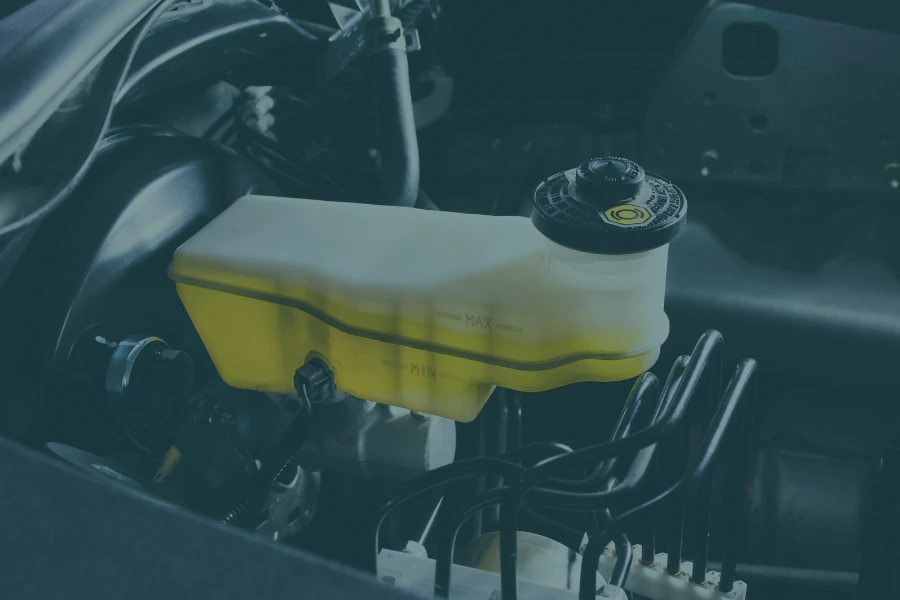
Brake fluid is an essential hydraulic fluid used in cars, trucks, motorcycles, and other vehicles to transfer pressure through braking systems. Over time, brake fluid can absorb moisture, become contaminated, and deteriorate, making replacement necessary during routine vehicle maintenance.
When brake fluid is removed or replaced, it requires appropriate disposal rather than being poured into drains or thrown in the trash. Depending on its composition, contamination, and applicable state regulations, used brake fluid may be subject to hazardous waste or used oil management requirements.
HazWaste Environmental Inc helps businesses arrange hazardous waste disposal services by reviewing automotive fluid waste information, identifying appropriate disposal options, and coordinating qualified service providers.
Quick Answer: How Do You Dispose of Brake Fluid?
Used brake fluid should be collected in a compatible, labeled container and managed through an appropriate recycling or waste disposal program. Available disposal options include:
- HazWaste Environmental Inc: Businesses can arrange hazardous waste disposal services through HazWaste for used, contaminated, expired, or bulk brake fluid.
- Household Hazardous Waste Programs: Some municipal and county programs accept brake fluid from residential customers.
- Automotive Fluid Recycling Facilities: Certain facilities accept brake fluid for recycling or recovery, depending on its composition.
- Automotive Repair Shops: Some repair shops and service centers accept small quantities of brake fluid through established collection programs.
Never pour brake fluid into drains, dump it on the ground, or mix it with used motor oil unless the applicable regulations and receiving recycler specifically allow it.
What is Brake Fluid?
Brake fluid is a hydraulic liquid that transfers force from a vehicle’s brake pedal to the components responsible for slowing or stopping the vehicle.
Most conventional brake fluids contain glycol-based compounds, while certain specialized formulations use silicone-based fluids.
Brake fluid must withstand high temperatures and maintain consistent hydraulic performance. Over time, moisture absorption and contamination can reduce its effectiveness, requiring the fluid to be replaced.
Common Types of Brake Fluid
| Brake Fluid Type | Composition |
| DOT 3 | Glycol-based |
| DOT 4 | Glycol-based |
| DOT 5 | Silicone-based |
| DOT 5.1 | Glycol-based |
DOT 3, DOT 4, and DOT 5.1 brake fluids generally absorb moisture over time, while DOT 5 uses a silicone-based formulation with different properties.
These differences can affect how the fluid is collected, recycled, or disposed of.
Importantly, DOT 3, DOT 4, and DOT 5 are brake fluid performance grades, not hazardous materials transportation classifications.
The federal requirements for these products are established under 49 CFR § 571.116.
Can Brake Fluid Be Properly Disposed Of?
Yes. Used brake fluid can be managed through appropriate recycling, collection, or waste disposal programs.
The correct method depends on the fluid’s formulation, contamination, quantity, and applicable environmental regulations.
Is Brake Fluid Considered Hazardous Waste?
Used brake fluid is not automatically classified as hazardous waste under federal regulations, but certain waste streams may qualify depending on their properties or contamination.
Several factors affect its classification:
- Chemical Composition: Glycol-based and silicone-based brake fluids contain different ingredients and have different properties.
- Contamination: Used brake fluid may contain metals, cleaning solvents, or other substances introduced during vehicle maintenance.
- Hazardous Waste Characteristics: Some brake fluid waste streams may exhibit characteristics regulated under EPA hazardous waste requirements.
- State Regulations: Certain states establish specific requirements for managing used automotive fluids.
Brake fluid also presents an important distinction under used oil regulations.
The EPA defines used oil based on its origin, use, and contamination. Some state programs allow qualifying brake fluids to be managed under used oil requirements, while others require separate collection and disposal.
For example, Washington State includes brake fluid among materials covered by its used oil guidance. However, glycol-based brake fluid should not automatically be mixed with motor oil because recycling facilities may have different acceptance requirements.
Businesses should evaluate their specific waste stream and confirm applicable regulations before disposal.
Household vs. Commercial Brake Fluid Disposal
Brake fluid disposal requirements differ depending on where the waste originates.
Household brake fluid waste may be accepted through municipal hazardous waste collection programs or participating automotive fluid collection services.
Commercial brake fluid waste generated by repair shops, dealerships, fleet maintenance facilities, and industrial operations must be managed according to applicable waste classification and generator requirements.
Larger quantities or fluids contaminated with other automotive chemicals may require specialized disposal arrangements.
How to Prepare Brake Fluid for Disposal
Follow these steps to prepare used or expired brake fluid for collection while minimizing spills and contamination.
1. Identify the Brake Fluid
Review the product label or Safety Data Sheet (SDS) to identify whether the material is DOT 3, DOT 4, DOT 5, or DOT 5.1. Note whether the fluid is used, expired, or contaminated.
2. Use an Appropriate Container
Collect brake fluid in a compatible, leak-resistant container with a secure lid. Clearly label the container and avoid using food or beverage bottles.
3. Keep Different Fluids Separate
Avoid mixing brake fluid with motor oil, antifreeze, brake cleaner, gasoline, or other automotive fluids. Mixing can complicate recycling and change disposal requirements.
4. Prevent Spills and Leaks
Keep containers closed and upright in a secure location away from drains. Use appropriate secondary containment when necessary to prevent leaks from spreading.
5. Check Container Condition
Inspect containers for leaks, damage, or deterioration before arranging collection. Contact qualified personnel if a container is unsafe to handle.
6. Document the Waste Information
Record the brake fluid type, estimated quantity, container sizes, and available Safety Data Sheets. Include information about known contamination or mixed fluids.
7. Arrange Brake Fluid Disposal
Contact HazWaste Environmental Inc to review your brake fluid waste information and coordinate an appropriate recycling or disposal service.
Where Can You Dispose of Brake Fluid?
Brake fluid disposal options depend on the material’s composition, quantity, contamination, and whether it comes from a household or business.
Commercial Hazardous Waste Disposal Services
Automotive repair shops, dealerships, and fleet maintenance facilities can arrange hazardous waste disposal services through HazWaste Environmental Inc. Disposal arrangements depend on the fluid’s composition, quantity, and applicable regulations.
Household Hazardous Waste Facilities
Many municipal and county hazardous waste programs accept automotive fluids, including brake fluid. Residents should confirm accepted materials, container limits, and collection schedules before visiting.
Automotive Fluid Recycling Facilities
Some automotive fluid recyclers accept brake fluid for specialized recycling or recovery. Confirm acceptance before delivery, as not every used oil recycling facility accepts glycol-based brake fluid.
Automotive Repair Shops and Collection Programs
Certain automotive repair shops and service centers accept used brake fluid through designated collection arrangements. Acceptance varies by location, and commercial quantities may require separate services.
Contaminated or Mixed Brake Fluid
Brake fluid mixed with fuels, solvents, or unidentified chemicals may require additional waste characterization. These materials should be evaluated before transportation or disposal.
Frequently Asked Questions About Brake Fluid Disposal
Can You Pour Brake Fluid Down the Drain?
No. Brake fluid should not be poured into sinks, storm drains, or other drainage systems as a disposal method. Improper disposal can contaminate water and create environmental compliance concerns.
Can You Throw Brake Fluid in the Trash?
Liquid brake fluid should not be discarded in ordinary household or commercial trash. Instead, use an appropriate automotive fluid collection, recycling, or disposal program.
Is Brake Fluid Considered Hazardous Waste?
Used brake fluid may qualify as hazardous waste depending on its chemical composition, contamination, and applicable regulations. Some jurisdictions also provide used oil management options for qualifying brake fluids.
Can You Mix Brake Fluid With Used Motor Oil?
Do not mix brake fluid with used motor oil unless the applicable regulations and receiving recycler specifically permit it. Glycol-based brake fluid can interfere with certain used oil recycling processes.
Can Brake Fluid Be Recycled?
Yes. Certain brake fluid waste streams can be recycled or recovered through specialized facilities. Recycling availability depends on the fluid type, contamination, and receiving facility requirements.
How Do You Dispose of DOT 3 Brake Fluid?
Collect used DOT 3 brake fluid in a compatible, labeled container and arrange an approved collection or disposal service. Because DOT 3 is glycol-based, do not assume an ordinary motor oil recycler will accept it.
How Do You Dispose of DOT 4 Brake Fluid?
DOT 4 brake fluid should be collected separately and managed through an appropriate automotive fluid recycling or disposal program. Avoid mixing it with motor oil or unrelated chemicals unless expressly permitted.
How Do You Dispose of DOT 5 Brake Fluid?
DOT 5 brake fluid is silicone-based and may require different recycling arrangements than glycol-based fluids. Confirm acceptance requirements with the receiving facility before disposal.
Can You Take Brake Fluid to an Auto Parts Store?
Some auto parts stores and automotive service centers offer fluid collection programs, but brake fluid is not universally accepted. Contact the location beforehand to verify its acceptance policy.
Can HazWaste Help With Bulk Brake Fluid Disposal?
Yes. HazWaste Environmental Inc helps businesses review bulk brake fluid waste information, identify appropriate recycling or disposal options, and coordinate qualified service providers.
Conclusion
Used brake fluid should be collected and managed through appropriate recycling or waste disposal programs rather than discarded in ordinary trash or poured into drains.
The proper disposal method depends on the fluid’s formulation, contamination, quantity, and applicable regulations. Businesses should keep brake fluid separate from other automotive waste streams unless an approved recycling arrangement allows mixing.
HazWaste Environmental Inc helps businesses arrange hazardous waste disposal services by reviewing brake fluid waste information, coordinating qualified service providers, and identifying suitable recycling, treatment, and disposal options.