
HazWaste Environmental Inc is a full-service waste management and environmental solutions company helping businesses manage used oil, petroleum-contaminated materials, and related waste streams.
From routine used oil collection programs to tank cleanouts, oily water, contaminated fluids, and complex industrial projects, our team helps organize waste review, transportation, recycling, treatment, disposal, and documentation.
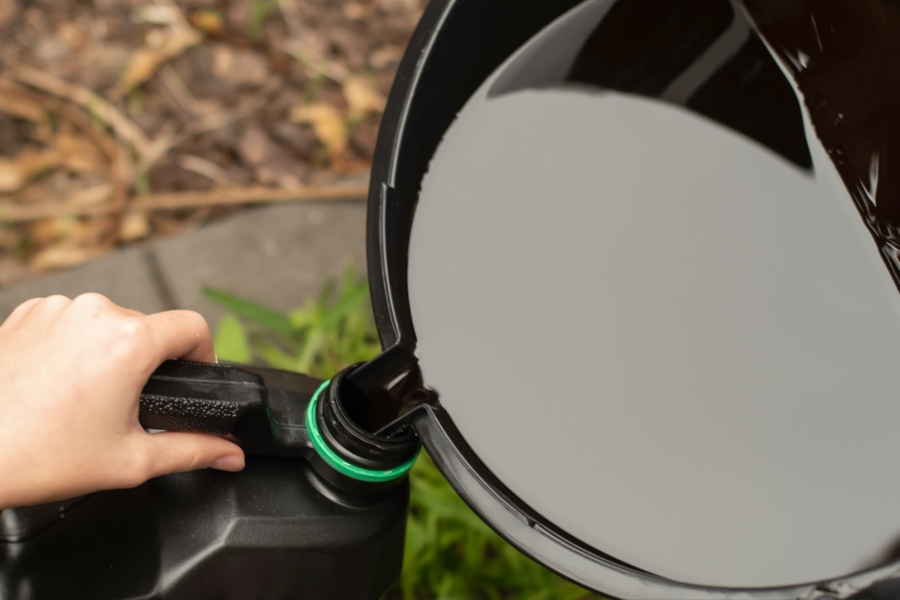
Used oil is generated by automotive shops, fleet operations, manufacturing facilities, warehouses, construction companies, industrial plants, utilities, property managers, and other businesses that operate or maintain machinery and equipment.
Although many used oil streams may be recyclable, contamination, mixing, storage conditions, and the way the oil was generated can affect how it must be managed.
HazWaste gives businesses one point of contact for reviewing the material, identifying service requirements, coordinating approved providers and receiving facilities, and keeping each project organized from pickup planning through final documentation.
HazWaste supports used oil and petroleum-related projects involving:
A responsive team helps organize collection planning, scheduling, transporter communication, receiving facility requirements, and documentation from start to finish.
Available options are reviewed based on the oil type, volume, condition, contamination, storage method, and receiving facility requirements.
Water, sludge, solvents, antifreeze, fuel, chemicals, and other contaminants can affect how the material is classified and where it can be accepted.
HazWaste can support one-time pickups, scheduled collection programs, tank and equipment cleanouts, changing waste volumes, and service across multiple locations.
Oil removed from cars, trucks, fleet vehicles, generators, and other internal combustion engines.
Hydraulic fluids, circulating oils, compressor oils, turbine oils, gear oils, and other lubricants used in industrial machinery.
Cutting fluids, machining oil, tramp oil, grinding fluids, and mixtures generated during metalworking operations.
Used transmission fluid, brake fluid, power steering fluid, and related automotive service liquids.
Lubricants and fluids removed from compressors, pumps, heavy equipment, production machinery, and facility systems.
All oil streams are subject to review, proper identification, contamination assessment, receiving facility acceptance, and applicable requirements.
Send HazWaste the oil type, source, quantity, container details, photos, location, and any known contamination or access concerns.
Our team reviews the material and helps organize transportation, pumping, container, recycling, treatment, disposal, and receiving facility requirements.
HazWaste coordinates qualified providers, transporters, receiving facilities, schedules, equipment needs, and project communication.
We help organize service records, shipping documents, recycling or disposal documentation, and any additional or recurring service needs.
HazWaste gives businesses one point of contact for coordinating transporters, processors, receiving facilities, schedules, and service requirements. Our team provides clear communication and practical updates throughout the review, scheduling, and service process, helping clients spend less time managing multiple moving parts.
We support drums, totes, tanks, bulk liquids, recurring pickups, equipment cleanouts, and multi-site programs while helping identify practical recycling, recovery, treatment, and disposal options. This keeps quantities, locations, service requirements, schedules, and documentation easier to track from start to finish.
Used oil is petroleum-based or synthetic oil that has been used and contaminated by physical or chemical impurities during normal operation.
Many used oil streams can be recycled, reclaimed, reprocessed, or recovered. Available options depend on the oil type, contamination, water content, quantity, and receiving facility requirements.
HazWaste can help manage motor oil, hydraulic oil, compressor oil, cutting oil, transmission fluid, industrial lubricants, oily water, sludge, filters, absorbents, and other petroleum-contaminated materials.
Mixing may limit recycling options or change how the material must be managed. Businesses should avoid combining oil with solvents, antifreeze, fuel, paint, chemicals, or unknown liquids.
Helpful information includes the oil type, source, volume, container size, photos, pickup location, water or sludge content, known contamination, and preferred timing.
Yes. HazWaste can help organize scheduled service, container planning, volume changes, documentation, and recurring collection across one or multiple locations.