HazWaste Environmental Inc is a full-service waste management and environmental solutions company helping laboratories and facilities manage chemical, hazardous, pharmaceutical, biological, and specialty waste streams.
From routine laboratory waste to expired chemicals, lab packs, unknown materials, and facility cleanouts, our team provides responsive service, transportation support, documentation assistance, and responsible treatment, disposal, or recycling solutions.
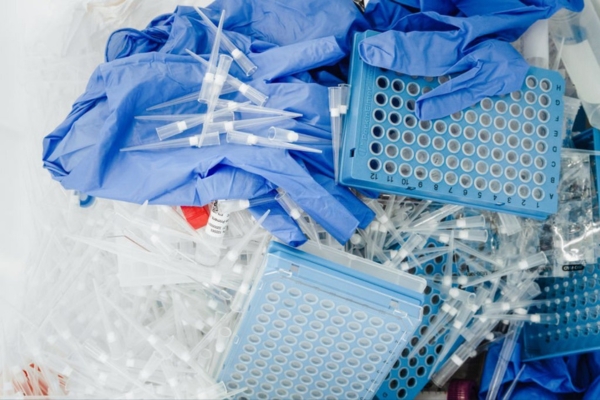
Laboratories generate a wide range of waste streams that may require different handling, segregation, packaging, transportation, treatment, disposal, or recycling methods. These materials may include solvents, reagents, acids, bases, pharmaceuticals, sharps, contaminated supplies, and small containers of expired or unused chemicals.
HazWaste gives laboratory managers, facility teams, and environmental professionals one point of contact for managing those details. Whether you need support for recurring waste, a chemical inventory cleanout, a laboratory move, or a larger decommissioning project, our team helps organize the information, service needs, and next steps.
HazWaste supports laboratory waste projects involving chemical inventory review, SDS documentation, waste profiling, lab pack planning, transportation, treatment, disposal, recycling options, manifests, and final documentation.
Our team brings clarity and structure to multi-stream laboratory waste management so your facility can reduce confusion, maintain better project visibility, and remain focused on research, education, testing, manufacturing, or patient care.
A responsive team helps organize laboratory waste details, service needs, scheduling, and documentation from start to finish.
Management options are reviewed based on the waste type, laboratory processes, container condition, and project requirements.
Laboratory waste management stays focused on safety, documentation, proper review, and environmental responsibility.
HazWaste can support one-time laboratory projects, recurring laboratory waste needs, and multi-location service programs.
Unused reagents, expired chemicals, solvents, acids, bases, oxidizers, preservatives, organic synthesis liquids, and unknown chemicals requiring review.
Small chemical containers, outdated inventory, damaged containers, stockroom cleanouts, mixed chemical inventories, and materials requiring segregation or lab pack review.
Specimen-related waste, biological materials, pathological waste, contaminated laboratory supplies, cultures, and other regulated biomedical waste streams.
Expired pharmaceuticals, unused medications, needles, syringes, blades, pipettes, contaminated glass, and other sharp laboratory materials.
Laboratory instruments, electronic equipment, batteries, mercury-containing devices, silver-bearing materials, imaging chemicals, and specialty waste requiring facility approval.
All laboratory waste streams are subject to review, proper characterization, facility acceptance, and applicable regulatory requirements.
Laboratory cleanouts can involve hundreds of small containers, incomplete labels, expired materials, damaged packaging, and several different waste classifications. These projects require careful planning to prevent incompatible materials from being grouped, packaged, or handled incorrectly.
HazWaste helps manage laboratory cleanouts, stockroom cleanups, facility moves, research project closures, and decommissioning waste. Our team can support chemical inventory review, lab pack planning, scheduling, transportation needs, and documentation from the initial review through project completion.
Send HazWaste the information you currently have, including chemical inventories, SDS sheets, photos, labels, container counts, estimated quantities, storage details, pickup location, and known hazards.
HazWaste reviews the laboratory waste details and helps determine the next steps for profiling, segregation, lab pack needs, transportation, treatment, disposal, recycling options, and documentation.
Once the waste is approved for service, HazWaste helps coordinate scheduling, transportation support, facility communication, lab pack services when needed, and required shipping documents.
After service, HazWaste can assist with final documentation requests, project follow-up, and recurring laboratory waste management support.
Laboratories may generate listed hazardous wastes from spent solvents, discarded commercial chemical products, unused reagents, and other regulated materials. The examples below are commonly encountered in laboratory settings.
F-listed wastes commonly include spent solvents and related process wastes generated through specific uses.
U-listed wastes commonly include discarded commercial chemical products, off-specification chemicals, and unused formulations.
P-listed wastes include acutely hazardous discarded commercial chemical products that may require additional management controls.
Laboratory waste includes unwanted, expired, contaminated, or regulated materials generated by research laboratories, schools, universities, healthcare facilities, diagnostic centers, testing facilities, and industrial labs.
HazWaste can help manage laboratory chemicals, reagents, solvents, acids, bases, oxidizers, lab packs, sharps, pharmaceuticals, biomedical waste, contaminated supplies, electronic equipment, and unknown materials.
A lab pack is a group of smaller chemical containers organized and packaged according to their contents, hazards, and compatibility. Lab packs are commonly used for expired, unused, damaged, or unwanted laboratory chemicals.
Yes. HazWaste can support chemical stockroom cleanouts, laboratory moves, facility closures, research project completion, outdated inventory removal, and laboratory decommissioning waste needs.
Helpful information includes a chemical inventory, SDS sheets, photos, container counts, container sizes, estimated quantities, storage location, pickup details, known hazards, and whether materials are expired, damaged, leaking, crystallized, pressurized, or unknown.
Yes. HazWaste can review the available information and help determine what may be needed next. Unknown or deteriorating materials may require additional identification, testing, profiling, specialized handling, or facility approval.