What Information Do You Need Before Scheduling Hazardous Waste Pickup?
Before hazardous waste can be picked up, businesses usually need to provide clear information about the waste, the containers, the quantity, and the project location.
This information helps vendors review the material, determine possible transportation or disposal options, and decide whether additional documentation is needed before scheduling.
Waste Description
The first thing you need is a clear description of the waste.
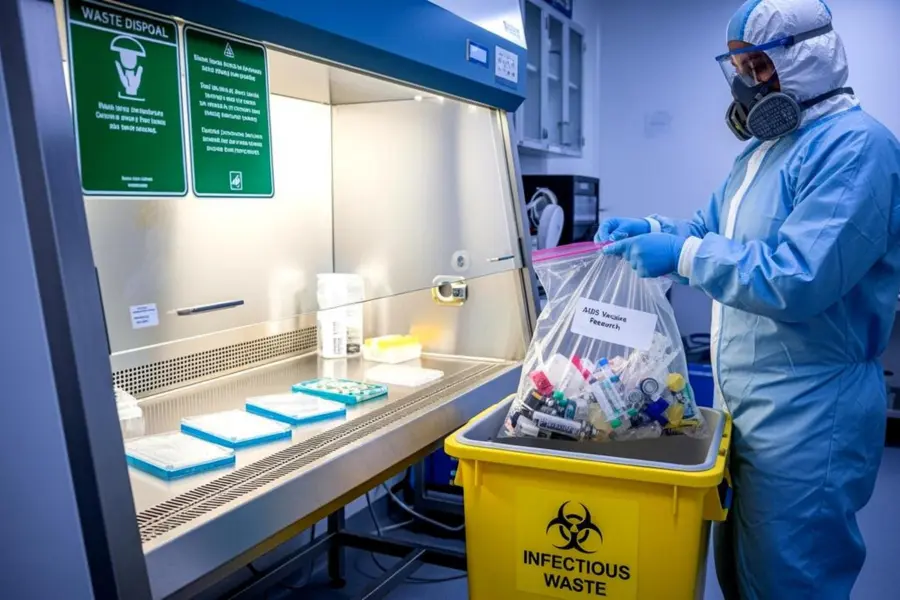
This should explain what the material is, where it came from, and whether it is unused product, process waste, spill cleanup material, lab waste, contaminated debris, or another type of regulated material.
A vague description like “old chemicals” may not be enough for review. More detail usually helps the process move faster.
SDS Sheets or Product Information
If the waste comes from a known product or chemical, SDS sheets can be very helpful.
SDS sheets provide information about chemical properties, hazards, handling concerns, and composition. Vendors may use this information when reviewing the waste stream and determining whether it can be accepted.
Photos of Containers and Labels
Photos can help vendors understand what is on site.
Useful photos may include:
- Container labels
- Drum markings
- Product names
- Container condition
- Quantity of containers
- Storage area
- Visible leaks, damage, or concerns
Clear photos can reduce back-and-forth questions and help identify issues before pickup is scheduled.
Container Counts and Quantities
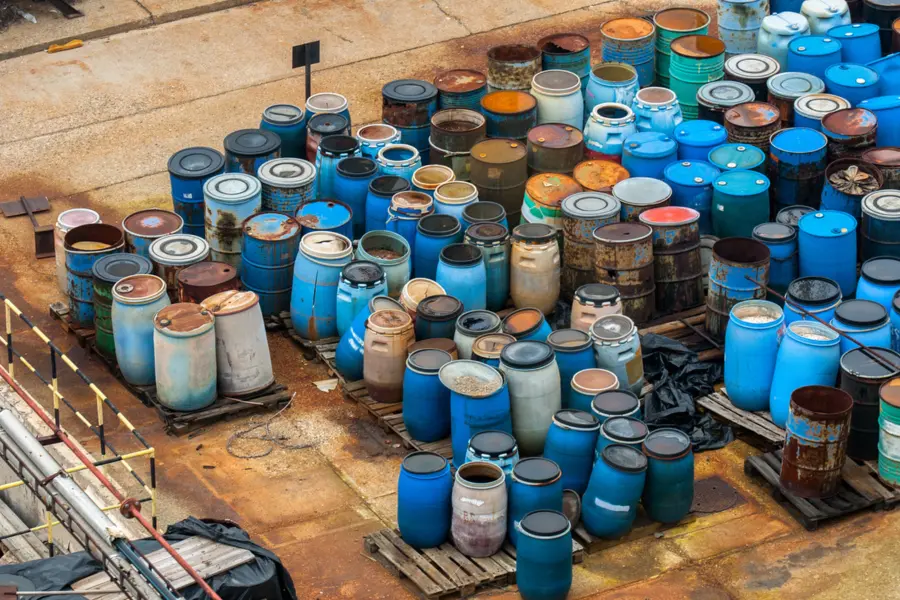
Businesses should provide the number of containers, container sizes, and estimated quantities.
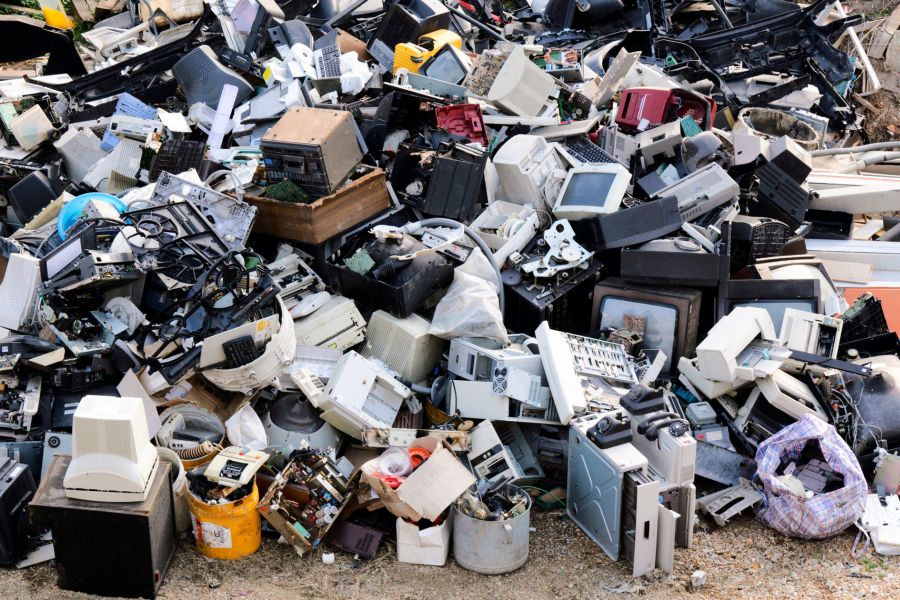
For example, a project may include five 55-gallon drums, three pallets of batteries, ten boxes of electronics, or several small lab containers.
The quantity matters because it can affect transportation planning, pricing, vendor requirements, and facility approval.
Known Hazards or Special Handling Concerns
It is important to disclose any known hazards before service is scheduled.
This may include leaking containers, unknown materials, reactive substances, pressure, strong odors, damaged packaging, mixed waste, contamination, or unsafe storage conditions.
Clear information helps vendors review the project correctly and avoid surprises during pickup.
Why This Information Matters
Hazardous waste pickup depends on more than availability. Vendors and facilities may need to review the waste before it can be transported, treated, recycled, or disposed of.
Missing information can delay scheduling or lead to additional review, testing, repricing, or rejection.
How HazWaste Environmental Inc Helps
HazWaste Environmental Inc helps businesses organize waste details, coordinate vendor review, support waste profile information, assist with manifest drafting, and coordinate pickup scheduling through approved third party providers.
If you do not have every detail ready, send what you have. HazWaste can help identify what may be needed next.
Final Thoughts
The better your waste information is upfront, the smoother the coordination process usually becomes.
If your business needs help preparing for hazardous waste pickup, contact HazWaste Environmental Inc to request coordination support.