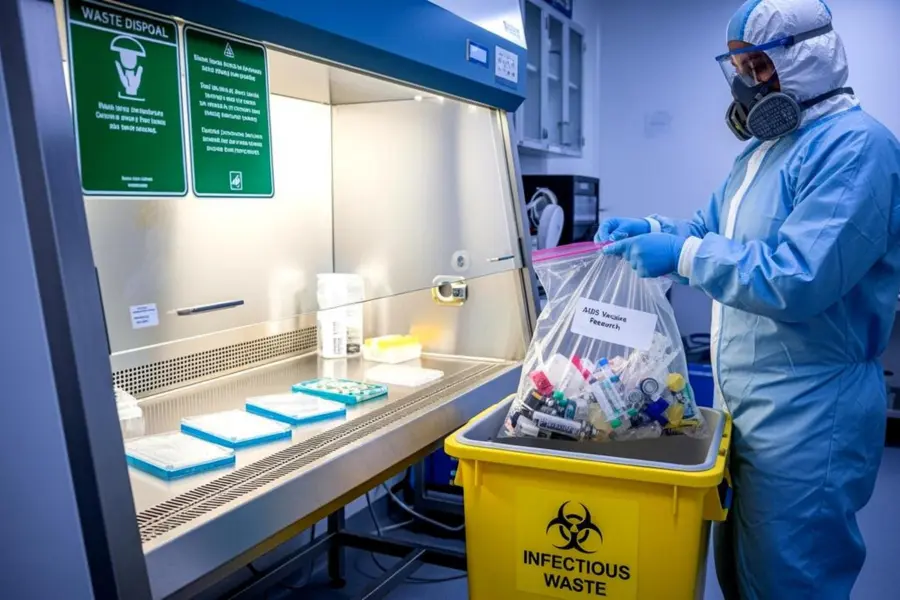
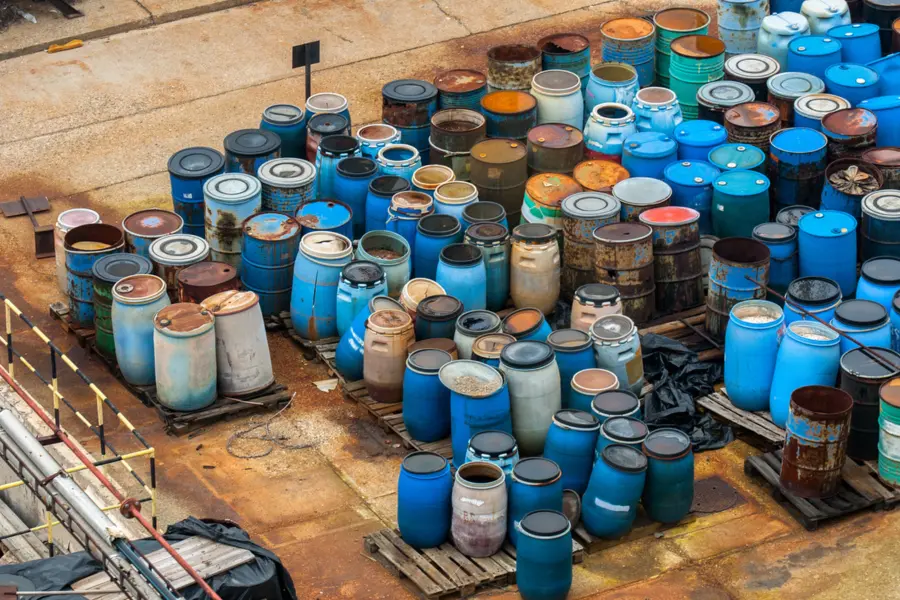
Hazardous waste generator status matters because it can affect how a business stores waste, how long waste can remain on-site, what labels and records may be needed, and how disposal, treatment, recycling, transportation support, and documentation should be organized.
VSQG, SQG, and LQG are hazardous waste generator categories based largely on how much hazardous waste a facility generates within a calendar month. For many businesses, that category can change when waste volumes increase, a facility cleanout happens, a lab closes, a production process changes, or an unusual waste stream is generated.
HazWaste Environmental Inc helps businesses review hazardous waste information, coordinate approved service providers, and organize practical next steps for hazardous waste disposal, treatment, recycling, transportation support, and documentation.
Quick Answer: What Is the Difference Between VSQG, SQG, and LQG?
VSQG, SQG, and LQG are three hazardous waste generator categories. In simple terms:
- VSQG means very small quantity generator.
- SQG means small quantity generator.
- LQG means large quantity generator.
The main difference is the amount of hazardous waste a business generates. That category can influence storage rules, accumulation timeframes, container management, emergency planning, documentation, and the type of waste management program a facility should have in place.
State rules may vary, so businesses should confirm requirements based on their location, waste stream, generator status, and project details.
What Is a Hazardous Waste Generator?
A hazardous waste generator is a business, facility, institution, or operation that produces hazardous waste through normal work or one-time projects. That waste may come from maintenance, manufacturing, laboratory work, automotive service, construction, remediation, spill cleanup, cleaning, coatings, chemical use, or facility cleanouts.
Common hazardous waste generators may include:
- Manufacturing facilities
- Laboratories and research facilities
- Automotive shops and fleet operations
- Healthcare and pharmaceutical facilities
- Schools and universities
- Warehouses and distribution centers
- Construction and remediation projects
- Property management companies
- Maintenance departments
- Industrial service companies
A business does not need to think of itself as a “waste company” to be a generator. If its operations create hazardous waste, generator responsibilities may apply.
Why Generator Category Matters
Generator category is not just a label. It can affect how hazardous waste is managed from the moment it is generated through final shipment and documentation.
Depending on the category, a business may need to pay closer attention to accumulation limits, storage timeframes, container labels, container condition, waste profiles, hazardous waste manifests, emergency planning, employee training expectations, recordkeeping, disposal options, treatment options, recycling facility acceptance, pickup scheduling, and program planning.
This is especially important during unusual months. A facility that normally generates a small amount of hazardous waste may need additional planning during a lab cleanout, facility move, spill cleanup, expired chemical removal, production change, or remediation project.
VSQG: Very Small Quantity Generator
What Is a VSQG?
A VSQG, or very small quantity generator, produces the lowest monthly amount of hazardous waste under the federal generator category system. These facilities may only generate hazardous waste occasionally or in smaller quantities during routine operations.
VSQGs often include small businesses, small labs, maintenance operations, offices with occasional regulated waste, property managers, or smaller automotive and facility service operations.
Common VSQG Situations
Common VSQG situations may include a small business with occasional solvent waste, a facility with a few expired chemicals, a maintenance shop with limited hazardous materials, a small lab with low-volume chemical waste, a property manager handling a one-time cleanout, or a business replacing old regulated materials.
These projects may be smaller, but they still need to be reviewed carefully. The waste type, container condition, quantity, location, and disposal route still matter.
Why VSQGs Still Need a Plan
“Very small” does not mean “unregulated” or “safe to throw away.” VSQGs still need to identify hazardous waste correctly, avoid improper disposal, prevent leaks or spills, and route materials through appropriate disposal, recycling, or treatment channels.
A simple plan can help prevent bigger problems. That includes knowing what waste is being generated, keeping containers labeled and closed, avoiding incompatible mixtures, and arranging service before materials pile up.
SQG: Small Quantity Generator
What Is an SQG?
An SQG, or small quantity generator, produces more hazardous waste than a VSQG but less than an LQG. SQGs usually need a more organized waste management process because they often generate hazardous waste on a recurring basis.
This category is common for businesses that have regular waste streams but may not operate at the volume or complexity of a large industrial facility.
Common SQG Situations
Common SQG situations may include manufacturing facilities with recurring chemical waste, laboratories with regular solvent waste, auto shops or fleet facilities with regulated waste streams, schools or universities with periodic lab waste, industrial facilities with cleaning or coating waste, and businesses with scheduled hazardous waste pickups.
For SQGs, consistency matters. If waste is generated every week or every month, the business needs a clear process for storage, labeling, scheduling, documentation, and pickup coordination.
What SQGs Usually Need to Track
SQGs usually benefit from tracking waste types, monthly generation amounts, accumulation areas, container labels, pickup schedules, waste profiles, manifests or shipping records, storage conditions, emergency procedures, vendor information, and receiving facility information.
Recurring program support can be especially helpful because it is easier to manage waste volumes and deadlines before containers pile up or service becomes urgent.
LQG: Large Quantity Generator
What Is an LQG?
An LQG, or large quantity generator, produces the highest monthly hazardous waste volumes under the federal generator system. LQGs usually need a more formal hazardous waste management program because the volume, frequency, and complexity of waste activity is greater.
These facilities may generate multiple hazardous waste streams, coordinate more frequent shipments, maintain larger accumulation areas, and require more detailed documentation.
Common LQG Situations
Common LQG situations may include large manufacturing operations, chemical processing facilities, pharmaceutical facilities, major laboratories or research campuses, industrial plants with multiple waste streams, large remediation or cleanout projects, and facilities generating acute hazardous waste in larger concern areas.
LQGs often have more moving parts, which means small mistakes can create bigger scheduling, documentation, facility acceptance, or compliance issues.
Why LQGs Require More Oversight
LQGs require more oversight because hazardous waste movement is usually more frequent and more complex. Larger accumulation areas, multiple waste profiles, more documentation, emergency planning needs, receiving facility coordination, and shipment schedules all need to be managed carefully.
For larger generators, project visibility is critical. One missed label, outdated profile, delayed pickup, or rejected shipment can affect operations and create avoidable problems.
VSQG vs. SQG vs. LQG Comparison
Volume
The main difference between VSQG, SQG, and LQG is monthly hazardous waste generation volume. Acute hazardous waste may also affect generator status, so businesses should not only look at total container count.
Accumulation
Different generator categories may have different accumulation limits and timeframes. This is why businesses should track how long waste has been stored and avoid waiting until containers are full or storage areas are crowded.
Documentation
Documentation expectations generally increase as generator category increases. A VSQG may have simpler needs, while SQGs and LQGs often require stronger recordkeeping, manifests, waste profiles, and service documentation.
Program Complexity
VSQGs may need occasional disposal support. SQGs often need recurring program management. LQGs usually need more structured coordination, stronger internal tracking, and more consistent documentation.
Risk of Category Changes
Generator status can shift during unusual months. A facility cleanout, expired chemical removal, spill cleanup, production change, construction project, or remediation job may temporarily increase waste volume and trigger additional planning needs.
What Information Helps Determine Generator Category?
The more information a business has, the easier it is to understand generator status and plan the right service path. Generator category is not something you want to guess, especially if the facility has multiple waste streams, changing volumes, or one-time projects mixed in with routine waste.
Useful information includes:
- Waste names or descriptions
- Monthly generation amounts
- Container sizes and quantities
- SDS sheets, if available
- Waste profiles, if available
- Photos of labels and containers
- Whether waste is routine or one-time
- Whether any acute hazardous waste is involved
- Accumulation start dates
- Facility location
- Storage area details
- Desired pickup timeline
- Past manifests or disposal records, if available
This information helps show what the waste is, how much is being generated, how long it has been stored, and what kind of disposal, treatment, recycling, transportation support, or documentation may be needed.
When Should a Business Get Help?
A business should get help when it is unsure of its generator category, has multiple waste streams, is planning a cleanout, has unknown or expired chemicals, has recurring hazardous waste, or may be close to moving from VSQG to SQG or SQG to LQG.
Some common examples include:
- A lab is cleaning out old reagents.
- A manufacturer has recurring solvent waste.
- A maintenance department has multiple drums accumulating.
- A facility has a one-time hazardous waste project.
- A business has inherited unknown waste from a previous tenant.
- A property manager discovers old chemicals during renovation.
- A company operates across multiple states with different requirements.
The sooner a business reviews the waste information, the easier it is to plan the next step. Waiting until containers are full, labels are unclear, or deadlines are approaching usually makes the project harder to organize.
Frequently Asked Questions About VSQG, SQG, and LQG
What does VSQG mean?
VSQG stands for very small quantity generator. It refers to facilities that generate the lowest monthly amounts of hazardous waste under the generator category system.
What does SQG mean?
SQG stands for small quantity generator. SQGs generate more hazardous waste than VSQGs but less than LQGs.
What does LQG mean?
LQG stands for large quantity generator. LQGs generate the highest hazardous waste volumes and typically have more extensive management, documentation, and planning requirements.
Can a business change generator categories?
Yes. Generator status can change if waste generation increases or decreases, especially during cleanouts, spills, production changes, remediation projects, facility moves, or unusual waste events.
Does universal waste count toward generator status?
Universal waste is managed under separate universal waste rules when it qualifies, but businesses should still review all waste streams carefully and confirm how materials should be counted or managed under applicable rules.
Is a VSQG exempt from all hazardous waste rules?
No. VSQG does not mean “no rules.” VSQGs still need to identify hazardous waste properly and route it through appropriate management, recycling, treatment, or disposal channels.
Can HazWaste help with hazardous waste generator questions?
HazWaste can help businesses review hazardous waste information, coordinate approved service providers, and organize practical next steps for hazardous waste disposal, treatment, recycling, transportation support, and documentation.
Conclusion
VSQG, SQG, and LQG generator categories help determine how a business should manage hazardous waste. The main difference is the amount of hazardous waste generated, but the category can also affect accumulation, labeling, documentation, emergency planning, transportation, disposal, treatment, recycling, and recordkeeping.
For businesses, the safest approach is to keep waste information organized, track monthly generation amounts, separate waste streams correctly, label containers clearly, and review unusual projects before waste volume changes create problems.
HazWaste Environmental Inc can help your business review hazardous waste streams, coordinate approved service providers, and organize practical next steps for hazardous waste disposal, treatment, recycling, transportation support, and documentation.