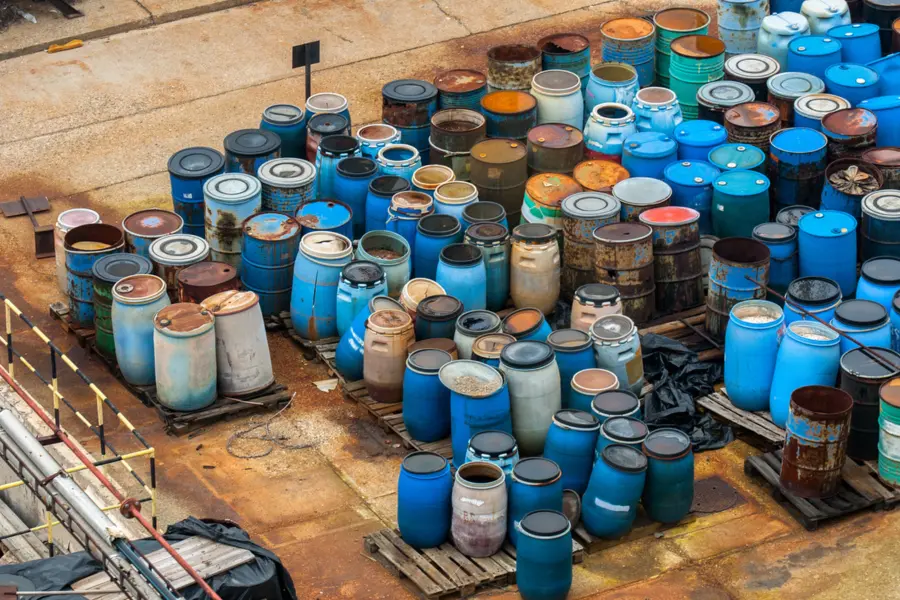
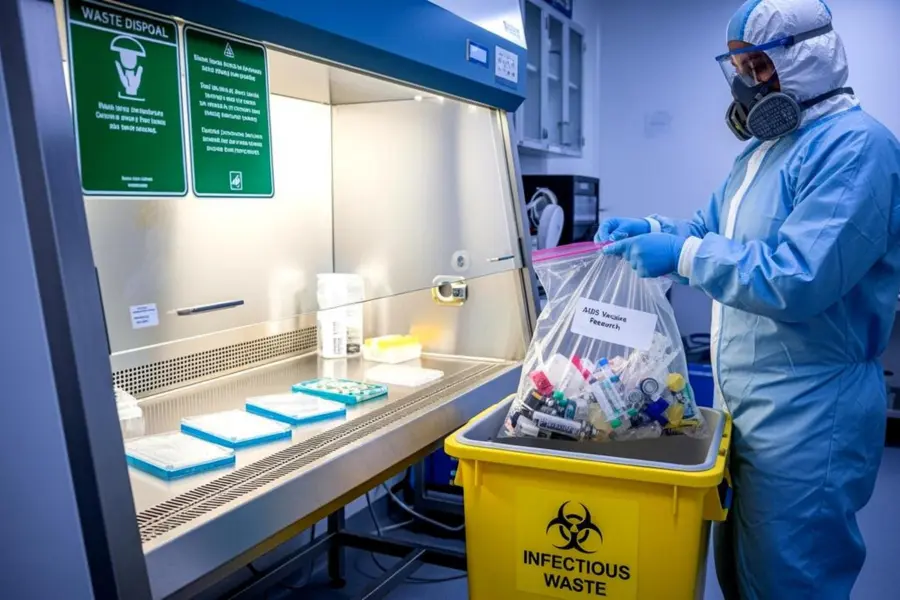
Laboratories can generate many different waste streams, from expired chemicals and unused reagents to spent solvents, research materials, and old chemical inventories. Some of these materials may be regulated as listed hazardous waste, which can affect how they are stored, labeled, packaged, transported, treated, recycled, or disposed of.
F-listed, P-listed, and U-listed wastes are not just “dangerous chemicals.” They are specific hazardous waste listings under federal regulations. The right classification depends on the material, how it was used, whether it is spent or unused, its formulation, its concentration, and other project-specific details.
HazWaste Environmental Inc helps businesses and laboratories review laboratory waste streams, coordinate approved service providers, and organize practical next steps for laboratory waste disposal, recycling, treatment, and documentation.
Quick Answer: What Are Listed Laboratory Wastes?
Listed laboratory wastes are hazardous wastes that appear on specific regulatory lists. The EPA identifies hazardous wastes through several lists, including the F, K, P, and U lists under 40 CFR Part 261. In laboratory settings, the F, P, and U lists are especially common because labs often deal with spent solvents, unused commercial chemical products, expired reagents, and specialty chemicals.
In simple terms:
- F-listed wastes are usually wastes from non-specific sources, including certain spent solvents.
- P-listed wastes are acutely hazardous discarded commercial chemical products.
- U-listed wastes are hazardous discarded commercial chemical products.
- A chemical name alone does not always confirm the correct waste code.
- Proper review matters before disposal, transportation, or lab pack planning.
That last point is important. A bottle label can give you a starting point, but it does not always tell the full story. The way the chemical was used, whether it is unused or spent, and whether it is mixed with other materials can all affect the waste determination.
Why Listed Waste Classification Matters in Laboratories
Listed waste classification matters because it can shape almost every part of the disposal process. Once a laboratory waste is identified as F-listed, P-listed, U-listed, or otherwise regulated, that determination can affect container labeling, storage, segregation, packaging, transportation, treatment, recycling, disposal, and documentation.
It can also affect waste profiles, generator status, accumulation requirements, lab pack planning, receiving facility acceptance, and recordkeeping. In other words, this is not just a paperwork detail. It can determine where the waste can go, how it needs to be prepared, and what documentation may be required along the way.
This becomes especially important during lab cleanouts. Old bottles, partial containers, expired reagents, unknown chemicals, and mixed solvent waste can quickly turn into a complicated project. Without a careful review, it is easy to group the wrong materials together or assume a chemical can be handled the same way every time.
F-Listed Laboratory Wastes
What is F-Listed Waste?
F-listed wastes are hazardous wastes from non-specific sources. In laboratories, this often comes up with spent solvents because the same types of solvent waste can be generated across many different industries, facilities, and lab environments.
The key word here is spent. In many cases, F-listed solvent waste involves a solvent that has already been used for a purpose such as cleaning, extraction, testing, processing, or another lab activity. Once that solvent is no longer usable for its intended purpose, it may need to be evaluated as a listed hazardous waste.
Common F-Listed Waste Examples in Labs
Common F-listed solvent-related examples that may appear in laboratory settings include:
- Acetone
- Methanol
- Toluene
- Xylene
- Methylene chloride
- Carbon tetrachloride
- Trichloroethylene
- Tetrachloroethylene
- Methyl ethyl ketone
- Ethyl acetate
- Pyridine
- Benzene
- Chlorinated fluorocarbons
These materials may show up in research labs, testing labs, industrial labs, university laboratories, quality control labs, and facility cleanouts. Some may be found in small containers, while others may be collected in larger waste containers after repeated use.
Key Point for F-Listed Solvents
A solvent name alone does not automatically confirm the waste code. The solvent must meet the listing conditions.
For example, a container labeled “acetone” may need a different review depending on whether the acetone is unused product, spent solvent, part of a mixture, contaminated with other materials, or present as a residue. How the material was generated matters.
That is why laboratories should avoid guessing based only on the chemical name. Before disposal, the lab should review how the material was used, whether it is spent or unused, what else may be in the container, and whether the applicable listing language applies.
P-Listed Laboratory Wastes
What is P-Listed Waste?
P-listed wastes are discarded commercial chemical products that are considered acutely hazardous. In laboratories, these materials require extra attention because even small containers can create important storage, segregation, packaging, transportation, and documentation considerations.
P-listed waste often comes up during chemical inventory cleanouts, research lab closures, pharmaceutical research, school lab cleanouts, and stockroom organization projects. These are the kinds of materials that should not be mixed, consolidated, moved, or discarded without careful review.
Common P-Listed Waste Examples in Labs
Common P-listed examples that may appear in laboratory settings include:
- Sodium azide
- Sodium cyanide
- Potassium cyanide
- Cyanides
- Acrolein
- Allyl alcohol
- Arsenic acid
- Carbon disulfide
- Chloroacetaldehyde
- Phosgene
- 2,4-Dinitrophenol
- Vanadium pentoxide
- Thallium oxide
These materials may be present as unused reagents, old containers, expired chemicals, specialty research materials, or materials discovered during a lab cleanout. Their condition, concentration, container size, and intended disposal route should be reviewed before any next step is taken.
Why P-Listed Waste Needs Extra Attention
P-listed waste needs extra attention because it is acutely hazardous. That means laboratories should treat these materials with a higher level of caution during inventory review, storage, packaging, and disposal planning.
Problems often happen when older containers have faded labels, missing SDS sheets, unknown concentrations, damaged packaging, or unclear usage history. A lab may know the chemical name, but still need to confirm whether the material meets the P-listed criteria and how it should be routed.
Because of that, laboratories should avoid combining P-listed materials with other waste streams unless the disposal plan has been reviewed. Keeping these materials separated and well-documented can make the overall project easier to organize.
U-Listed Laboratory Wastes
What is U-Listed Waste?
U-listed wastes are discarded commercial chemical products that are listed as hazardous waste. Like P-listed wastes, they generally apply to certain unused chemicals, off-specification products, container residues, or spill residues when the regulatory conditions are met.
In a laboratory, U-listed waste may come from expired reagents, unused chemical containers, outdated inventory, research materials, or stockroom cleanouts. These materials may look ordinary on a shelf, but once they are being discarded, they may require a listed waste review.
Common U-Listed Waste Examples in Labs
Common U-listed examples that may appear in laboratory settings include:
- Acetone
- Acetonitrile
- Acrylamide
- Acrylonitrile
- Aniline
- Benzene
- Chloroform
- Formaldehyde
- Formic acid
- Hydrazine
- Mercury
- Methanol
- Naphthalene
- Phenol
- Resorcinol
- Toluene
- Trichloroethylene
- Tetrahydrofuran
- Methyl ethyl ketone
- Methyl isobutyl ketone
These materials may be found in research labs, university labs, medical labs, manufacturing labs, environmental testing labs, and older chemical storage rooms. Some may be unused, partially used, expired, off-specification, or no longer needed.
Key Point for U-Listed Waste
U-listed waste determinations depend on whether the chemical is unused, discarded, and meets the commercial chemical product criteria. If the same chemical was used in a process, mixed with other lab waste, or collected as spent material, it may need a different review.
For example, methanol in an unused bottle may be evaluated differently than methanol that has already been used as part of a lab process. The name on the container matters, but it is not the only thing that matters.
Common Laboratory Situations That Require Review
Laboratory waste is not always straightforward. A container may look simple on the shelf, but the disposal path can depend on whether the material is expired, unused, spent, mixed, damaged, unknown, or listed under a specific hazardous waste code.
That is why certain lab situations should be reviewed before anything is moved, combined, packaged, shipped, recycled, treated, or disposed of.
Expired Chemical Inventory
Old bottles, partial containers, and outdated reagents can create listed waste concerns, especially when they include unused commercial chemical products. Some expired materials may fall under P-listed or U-listed waste rules when they are discarded.
This often comes up during stockroom cleanouts, research lab closures, school lab cleanups, and facility moves. Even if a chemical has been sitting untouched for years, it still needs to be reviewed before disposal.
Spent Solvent Waste
Spent solvent waste is one of the most common listed waste issues in laboratories. Solvents used for testing, cleaning, extraction, sample preparation, or research work may trigger F-listed waste considerations depending on the solvent and how it was used.
The key question is not just “What solvent is this?” It is also “Was it used, what was it used for, and what else is in the waste container?”
Lab Packs and Cleanouts
Lab packs are common during laboratory cleanouts because many labs have small containers of different chemicals, hazard classes, and waste types. Some may be unused, some may be expired, some may be partially full, and some may have unclear labels.
Listed waste review helps determine how those materials should be grouped, packaged, labeled, routed, and documented. Without that review, incompatible materials could be grouped incorrectly or sent to a receiving facility that cannot accept them.
Unknown or Poorly Labeled Chemicals
Unknown chemicals should never be guessed, mixed, poured out, or casually discarded. A faded label or missing SDS does not make the material safe to handle.
In these cases, labels, SDS sheets, inventory records, process knowledge, container condition, and analytical data may be needed. The goal is to identify the material as accurately as possible before deciding how it should be packaged or routed.
Damaged or Leaking Containers
Damaged or leaking containers need immediate attention because they can create safety, storage, packaging, and disposal problems. A cracked bottle, corroded cap, stained label, leaking drum, or unstable container may change how the material needs to be managed.
These containers should be separated, secured when safe, and reviewed before being moved or combined with other waste. The condition of the container matters just as much as the chemical name.
What Information Helps With Listed Lab Waste Disposal?
The more information a laboratory can provide upfront, the easier it is to review the waste stream and coordinate the next step. Good information helps reduce delays, avoid rejected materials, and identify the right packaging, transportation, recycling, treatment, or disposal path.
Helpful information includes:
- Chemical name
- SDS, if available
- CAS number, if available
- Container size
- Estimated quantity
- Whether the material is used or unused
- Whether the container is full, partial, expired, damaged, or leaking
- Photos of labels and containers
- Lab inventory lists
- Any analytical data
- Project location and access details
- Desired pickup or cleanout timeline
Photos are especially helpful during the early review process. Clear images of labels, container conditions, storage areas, and quantities can make it easier to understand the scope of the project before service is coordinated.
Frequently Asked Questions About F-Listed, P-Listed, and U-Listed Laboratory Wastes
Are all laboratory chemicals hazardous waste?
No. Not every laboratory chemical is hazardous waste, but many require review before disposal. A chemical may be listed, characteristic, reactive, corrosive, ignitable, toxic, expired, mixed, unknown, or otherwise regulated depending on the material and situation.
What is the difference between P-listed and U-listed waste?
Both P-listed and U-listed wastes generally apply to certain unused commercial chemical products being discarded. The main difference is that P-listed wastes are acutely hazardous, while U-listed wastes are hazardous but not classified the same way as acute hazardous wastes.
Are spent solvents always F-listed waste?
No. Some spent solvents may be F-listed, but not every solvent waste automatically carries an F-list code. The determination depends on the solvent, how it was used, the concentration, the mixture, and the applicable listing language.
Can listed laboratory waste go in the trash?
Generally, no. Listed hazardous waste should not be thrown in regular trash or poured down a drain. It should be reviewed, stored, labeled, packaged, transported, treated, recycled, or disposed of through appropriate channels.
What is a lab pack?
A lab pack is a method of grouping and packaging multiple small containers of compatible chemicals for transportation and disposal. Lab packs are common during laboratory cleanouts, decommissioning projects, chemical inventory removals, and research facility cleanups.
Can HazWaste help with listed laboratory waste?
HazWaste can help laboratories review waste information, coordinate approved providers, organize lab pack or cleanout needs, and support documentation for laboratory waste disposal, recycling, treatment, or disposal routes.
Conclusion
F-listed, P-listed, and U-listed laboratory wastes can create confusion because classification is not based on the chemical name alone. The same material may be evaluated differently depending on whether it is spent or unused, how it was generated, its formulation, its concentration, its container condition, and the applicable regulatory language.
For laboratories, the safest approach is to slow down before disposal. Review the chemical inventory, separate unknowns or damaged containers, gather SDS sheets and label photos, and confirm the appropriate waste path before materials are moved, mixed, transported, recycled, treated, or disposed of.
HazWaste Environmental Inc can help your laboratory review listed waste materials, coordinate approved service providers, and organize practical next steps for laboratory waste disposal, treatment, recycling, and documentation.