Common Waste Materials Businesses Should Not Throw in the Trash
Many businesses generate waste that should not be placed in regular trash. Some materials may be hazardous, regulated, recyclable, chemically sensitive, or require special documentation before disposal.
Knowing which materials need proper review can help businesses avoid unsafe disposal and keep waste projects better organized.
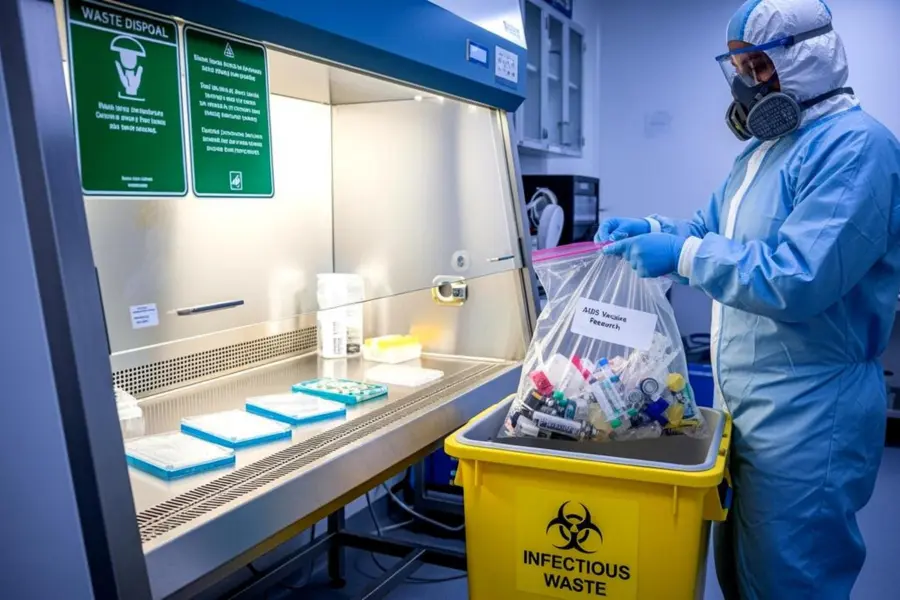
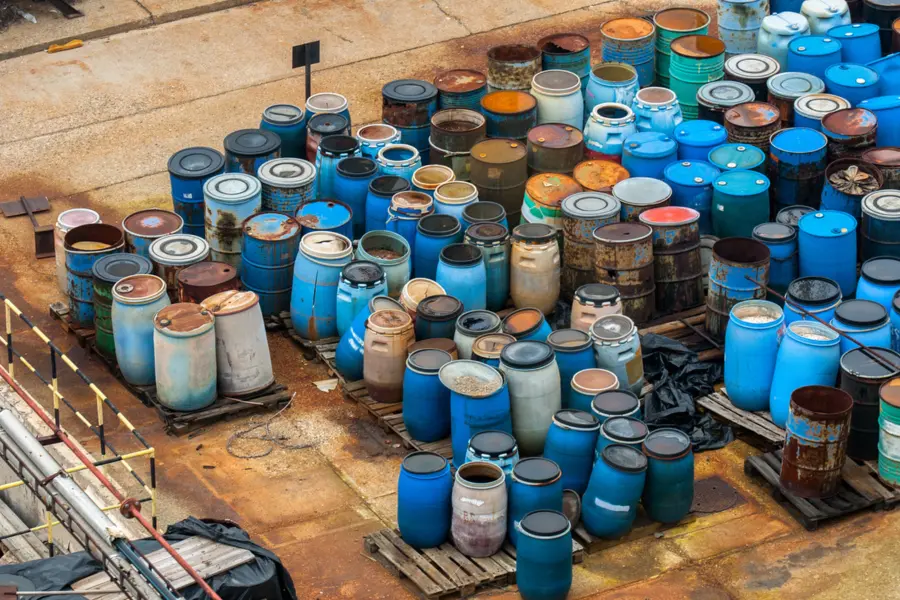
Chemical Waste
Chemical waste is one of the most common materials that should not be thrown in the trash.
This may include expired chemicals, unused products, solvents, acids, bases, cleaning chemicals, off spec materials, contaminated liquids, and unknown chemical containers.
These materials may require vendor review, SDS sheets, proper containers, and approved disposal or treatment options.
Batteries
Batteries can create fire, chemical, and environmental concerns when handled incorrectly.
Businesses may generate many battery types, including lithium batteries, lead acid batteries, nickel cadmium batteries, alkaline batteries, rechargeable batteries, and mixed battery waste.
Battery recycling or disposal options depend on the battery type, condition, quantity, and vendor acceptance.
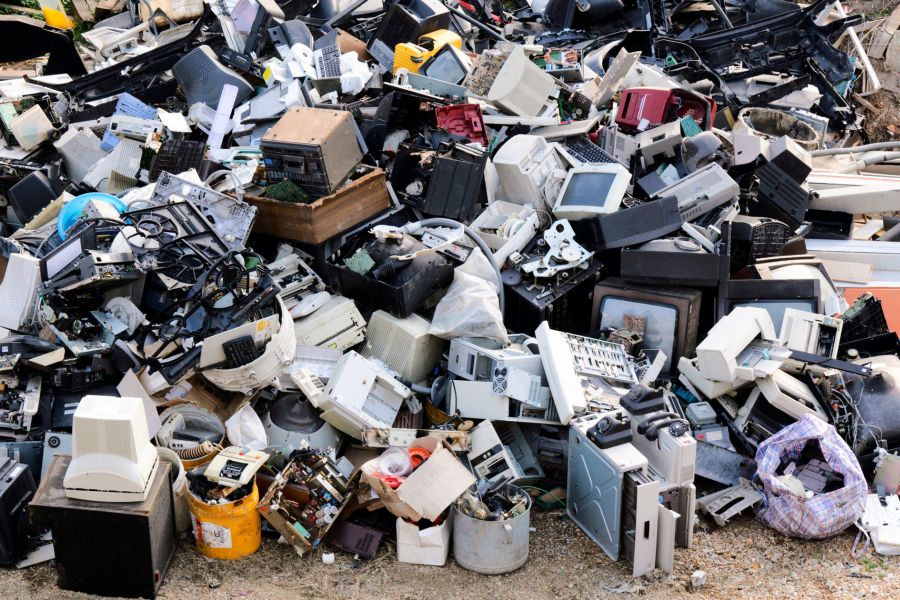
Electronics
Electronics often contain reusable materials, batteries, circuit boards, metals, plastics, and regulated components.
Common business electronics may include computers, monitors, servers, printers, phones, tablets, control equipment, wiring, and electronic devices.
These materials should usually be reviewed for proper recycling or disposal instead of being placed in general trash.
Lamps and Bulbs
Some lamps and bulbs may contain mercury or other materials that require proper recycling or disposal.
This can include fluorescent lamps, compact fluorescent bulbs, HID lamps, and other commercial lighting materials.
Facilities, schools, warehouses, offices, and property managers should be especially careful with bulk lamp disposal.
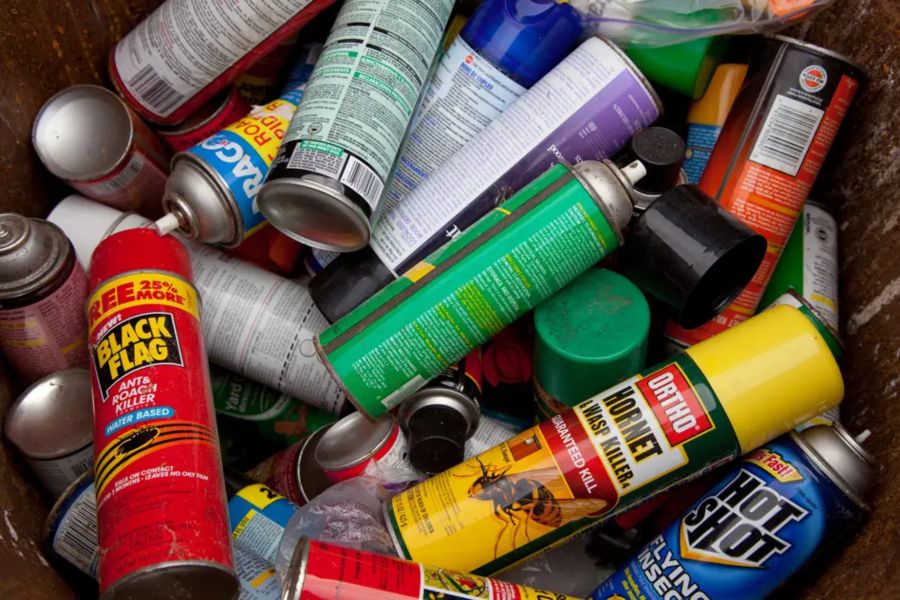
Aerosols
Aerosol cans may still contain pressure, chemical residue, flammable material, or product contents.
Because of that, bulk aerosol waste may need special handling or vendor review before disposal.
Businesses should avoid throwing large quantities of aerosol cans into regular trash without checking proper options first.
Spill Cleanup Materials
After a spill, the cleanup materials may become regulated waste.
This can include absorbents, pads, rags, PPE, soil, debris, liquids, drums, and contaminated packaging.
Even if the original spill is cleaned up, the waste created during cleanup may still need proper transportation, treatment, or disposal coordination.
Solar Panels
Solar panels contain glass, metals, frames, wiring, and electronic components. Depending on the condition, quantity, and material profile, they may require proper recycling or disposal coordination.
Businesses removing solar panels should avoid sending them to general waste streams without reviewing available recycling or disposal options.
How HazWaste Environmental Inc Helps
HazWaste Environmental Inc helps businesses coordinate management options for hazardous waste, chemical waste, laboratory waste, universal waste, batteries, electronics, solar panels, lamps, aerosols, spill debris, contaminated materials, and other regulated waste streams.
The company helps coordinate vendor review, documentation support, transportation scheduling, disposal options, treatment options, and recycling pathways when available.
Final Thoughts
If your business has waste that seems chemical, regulated, contaminated, electronic, battery related, or difficult to identify, it is worth reviewing before disposal.
Contact HazWaste Environmental Inc to discuss your waste materials and request coordination support.