
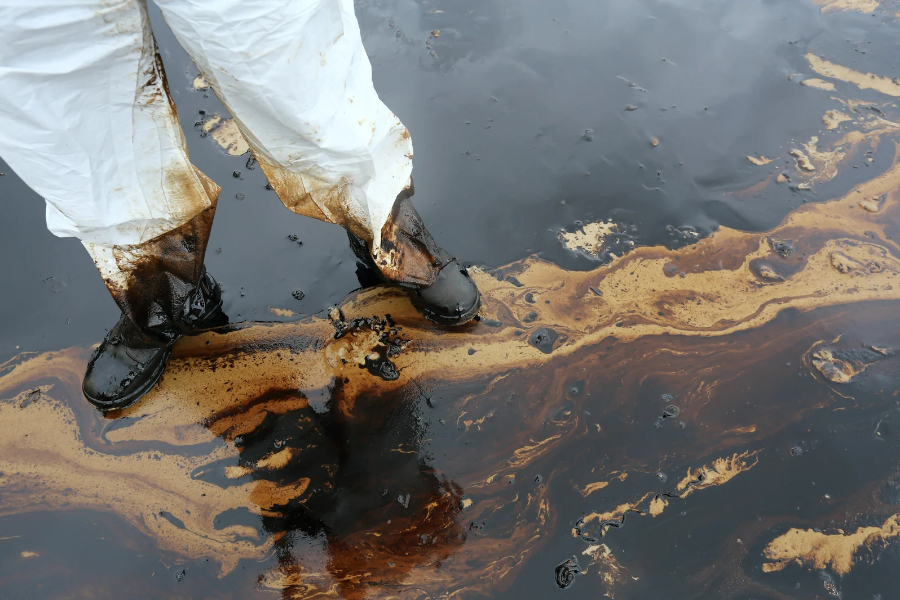
Oil is used in almost every industry, from automotive manufacturing and heavy machinery to food production, cosmetics, and energy. While we often use the word “oil” as if it describes one type of substance, there are dozens of different oils with distinct properties and applications.
Some oils are refined from petroleum, others are produced synthetically, and many come from plants or animals. Their composition affects how they perform, where they are used, and what happens when they are no longer needed.
Understanding these differences is particularly important for businesses managing oil waste, since recycling and disposal requirements can vary significantly. HazWaste Environmental Inc helps businesses coordinate oil disposal services by reviewing material information, working with qualified providers, and identifying practical recycling, treatment, and disposal options.
What Are the Main Types of Oil?
Oils can be grouped into eight broad categories based on their origin, composition, and applications:
- Automotive and transportation oils: Used in engines, transmissions, and vehicle systems.
- Industrial and machinery oils: Used to lubricate, cool, and protect manufacturing equipment.
- Petroleum and mineral oils: Refined from crude oil for various commercial applications.
- Synthetic and specialty oils: Manufactured or formulated for specific performance requirements.
- Cooking and vegetable oils: Primarily derived from plants and used in food preparation.
- Animal-derived oils and fats: Obtained from animals for food, cosmetic, and industrial applications.
- Essential and cosmetic oils: Used in fragrances, skin care, hair care, and personal care products.
- Fuel oils and petroleum products: Used primarily for heating, transportation, and energy production.
These categories can overlap. For example, automotive lubricants may be mineral-based or synthetic, while some industrial oils are formulated using vegetable-derived ingredients.
1. Automotive and Transportation Oils
Automotive oils help lubricate moving components, reduce friction, control operating temperatures, and protect vehicles from premature wear.
Engine Oil
Engine oil lubricates the internal components of gasoline and diesel engines. It helps reduce friction, control deposits, and protect engine parts during operation.
Transmission Oil and Fluid
Transmission fluids lubricate gears and other transmission components while supporting cooling and proper mechanical or hydraulic operation.
Gear Oil
Gear oil is designed to protect gears and bearings operating under substantial mechanical loads, including components within transmissions and differentials.
Differential Oil
Differential oil lubricates the gears and bearings that allow vehicle wheels to rotate at different speeds while turning.
Power Steering Fluid
Power steering fluid is a hydraulic fluid used in certain steering systems to transfer pressure and support steering assistance.
Motorcycle Oil
Motorcycle oils are formulated for motorcycle engines and, depending on the design, may also lubricate transmissions and wet clutches.
Marine Engine Oil
Marine engine oil is designed for boat engines and other marine propulsion equipment, with formulations suited to specific engine types and operating conditions.
Aviation Engine Oil
Aviation engine oils are formulated for aircraft piston engines and other specialized aviation applications.
Many petroleum-based and synthetic automotive oils fall under EPA’s used oil regulations after they have been used.
2. Industrial and Machinery Oils
Industrial oils support machinery operating under demanding conditions, including high temperatures, heavy loads, continuous movement, and pressure.
Hydraulic Oil
Hydraulic oil transfers power through hydraulic systems while providing lubrication and protection for pumps, cylinders, and other components.
Compressor Oil
Compressor oil lubricates moving parts, helps manage operating temperatures, and reduces wear in certain air compressors and industrial compression systems.
Turbine Oil
Turbine oil lubricates and protects bearings and other components in steam, gas, and hydroelectric turbine systems.
Heat Transfer Oil
Heat transfer oil circulates through industrial systems to transfer thermal energy between equipment and processes.
Industrial Gear Oil
Industrial gear oil protects gearboxes and mechanical systems operating under heavy loads, pressure, and demanding conditions.
Circulating Oil
Circulating oil moves continuously through lubrication systems to protect bearings, gears, and other moving equipment components.
Slideway Oil
Slideway oil lubricates machine tool guideways, helping provide smooth movement and reduce sticking during machining operations.
Metalworking Oil
Metalworking oils are used during cutting, grinding, drilling, and metal-forming operations to provide lubrication and, in some applications, cooling.
Spindle Oil
Spindle oil is a specialized lubricant designed for high-speed spindle assemblies and precision machinery.
Vacuum Pump Oil
Vacuum pump oil provides lubrication, sealing, and cooling in certain vacuum pump designs.
Refrigeration Oil
Refrigeration oil lubricates compressors used in refrigeration and air-conditioning systems.
Electrical Insulating Oil
Electrical insulating oil provides insulation and cooling in certain transformers, capacitors, and other electrical equipment.
Industrial Process Oil
Process oils are used as manufacturing ingredients or processing aids in products such as rubber, plastics, and polymers.
Industrial oils can accumulate water, metal particles, chemicals, and other contaminants during operation. These materials can affect recycling opportunities and receiving facility acceptance requirements.
3. Petroleum and Mineral Oils
Petroleum-derived oils originate from crude oil and undergo refining to produce materials with different viscosities, chemical compositions, and applications.
Mineral Oil
Mineral oil is a refined petroleum product used in industrial lubrication, manufacturing, cosmetics, and certain pharmaceutical products.
Paraffinic Oil
Paraffinic oil contains predominantly paraffinic hydrocarbons and is commonly used in lubricants and other industrial formulations.
Naphthenic Oil
Naphthenic oil is used in certain electrical insulating fluids, industrial processing applications, and specialty lubricants.
Base Oil
Base oil serves as the primary ingredient in finished lubricants. It may be petroleum-derived or synthetic and is commonly combined with additives to achieve specific performance characteristics.
White Mineral Oil
White mineral oil is highly refined mineral oil used in certain pharmaceutical, cosmetic, and food-contact applications when it meets the appropriate product specifications.
Petroleum Process Oil
Petroleum process oils are used in manufacturing products such as rubber, tires, plastics, and other industrial materials.
These oils are not automatically considered waste simply because they are petroleum-derived. Their regulatory status depends on how they are used, whether they are discarded, and the applicable waste management requirements.
4. Synthetic and Specialty Oils
Synthetic oils are produced through chemical processes or specialized manufacturing methods to achieve particular performance characteristics.
Full Synthetic Oil
Full synthetic oil uses synthetic base stocks and is commonly formulated for automotive engines and industrial equipment.
Synthetic Blend Oil
Synthetic blend oil combines conventional and synthetic base stocks to achieve a balance of performance characteristics.
Polyalphaolefin (PAO) Oil
PAO oil is a synthetic hydrocarbon lubricant used in automotive and industrial applications requiring particular temperature and lubrication performance.
Polyalkylene Glycol (PAG) Oil
PAG oil is used in selected industrial gear systems, compressors, and specialized equipment.
Ester-Based Oil
Ester-based oils are used in certain high-performance lubricants, compressors, and applications requiring specific thermal and lubrication properties.
Silicone Oil
Silicone oil is used in specialized lubrication, damping systems, heat transfer applications, and certain personal care products.
Fluorinated Oil
Fluorinated oils are specialty lubricants used in applications requiring high chemical resistance and stability under demanding conditions.
Biodegradable Lubricating Oil
Biodegradable lubricating oils are formulated using materials designed to break down through biological processes under appropriate conditions.
However, biodegradable does not mean an oil can automatically be discharged into waterways, poured down drains, or disposed of without proper evaluation.
5. Cooking and Vegetable Oils
Cooking oils are primarily derived from plants and used for frying, baking, food manufacturing, and other culinary applications.
Common Vegetable and Seed Oils
- Soybean oil: Widely used in cooking, processed foods, and food manufacturing.
- Canola oil: Used for frying, baking, and general food preparation.
- Corn oil: Common in commercial cooking and food manufacturing.
- Sunflower oil: Used in frying, packaged foods, and cooking.
- Safflower oil: Used in cooking and certain food products.
- Cottonseed oil: Found in some commercial frying applications and processed foods.
- Peanut oil: Commonly used for frying and high-temperature cooking.
- Sesame oil: Used in cooking, sauces, and flavoring.
- Grapeseed oil: Used in cooking and food preparation.
- Rice bran oil: Used in frying and other culinary applications.
Fruit and Nut Oils
- Olive oil: Commonly used in cooking, dressings, and food preparation.
- Avocado oil: Used in cooking, dressings, and food manufacturing.
- Coconut oil: Used in baking, cooking, and processed foods.
- Palm oil: Widely used in food manufacturing and commercial products.
- Palm kernel oil: Used in confectionery, processed foods, and other applications.
- Walnut oil: Often used in dressings and specialty foods.
- Almond oil: Used in selected culinary and cosmetic applications.
- Hazelnut oil: Used in specialty cooking and flavoring.
- Macadamia nut oil: Used in cooking and specialty food products.
- Pecan oil: Used in specialty food preparation.
Specialty Cooking Oils
Other plant-derived oils include mustard oil, pumpkin seed oil, flaxseed oil, hemp seed oil, tea seed oil, perilla oil, poppy seed oil, argan oil, amaranth oil, and babassu oil.
These oils have different culinary traditions, flavor profiles, processing requirements, and applications. Some are used primarily as finishing oils, while others have limited or region-specific food uses.
Used Cooking Oil
Restaurants, commercial kitchens, and food manufacturers generate used cooking oil through frying and other food preparation activities.
Certain used cooking oils can be collected and processed into products such as biodiesel or other industrial feedstocks.
However, vegetable and animal cooking oils are not included in the federal definition of used oil under EPA’s petroleum-based and synthetic used oil regulations in 40 CFR Part 279.
They may instead be subject to other recycling, waste management, wastewater, or local disposal requirements.
6. Animal-Derived Oils and Fats
Animal-derived oils and fats are used in food manufacturing, cosmetics, nutritional products, and industrial applications.
Fish Oil
Fish oil is derived from fish tissues and is used in nutritional products, food manufacturing, and certain industrial applications.
Cod Liver Oil
Cod liver oil is extracted from fish livers and is primarily used in nutritional products.
Lanolin
Lanolin is a waxy substance obtained from sheep’s wool. It is commonly used in skin care products, cosmetics, and industrial formulations.
Lard
Lard is rendered pig fat used in cooking, baking, and food manufacturing.
Tallow
Tallow is rendered animal fat used in food production, soap manufacturing, cosmetics, and certain industrial applications.
Poultry Fat
Poultry fat is rendered from poultry and used in certain food, animal feed, and industrial products.
Unlike petroleum-based lubricants, animal-derived oils and fats generally fall outside EPA’s federal used oil definition. Their recycling and disposal options depend on the specific material and applicable requirements.
7. Essential Oils and Cosmetic Oils
Many plant-derived and specialty oils are used in fragrance production, cosmetics, skin care, hair care, and other personal care products.
Essential Oils
Essential oils are concentrated aromatic substances obtained from plants.
Common examples include:
- Lavender oil
- Peppermint oil
- Tea tree oil
- Eucalyptus oil
- Lemon oil
- Orange oil
- Rosemary oil
- Clove oil
- Cedarwood oil
- Frankincense oil
Unlike most cooking oils, essential oils often contain volatile compounds that give them their characteristic fragrances.
Some essential oils and discarded formulations may present flammability or other chemical hazards depending on their composition.
Carrier and Cosmetic Oils
Carrier oils and other cosmetic oils are used in moisturizers, massage products, hair treatments, and skin care formulations.
Examples include:
- Jojoba oil
- Argan oil
- Sweet almond oil
- Rosehip oil
- Marula oil
- Castor oil
- Fractionated coconut oil
- Squalane oil
- Mineral oil
The disposal requirements for cosmetic and essential oil waste depend on the actual ingredients, formulation, contamination, and applicable regulations.
8. Fuel Oils and Petroleum Products
Fuel oils and related petroleum products are primarily used for heating, transportation, and energy production rather than lubrication.
Heating Oil
Heating oil is used to generate heat in residential, commercial, and industrial heating systems.
Diesel Fuel
Diesel fuel powers trucks, heavy equipment, generators, and industrial machinery.
Kerosene
Kerosene is a petroleum-derived fuel used in certain heating, lighting, and aviation applications.
Marine Fuel Oil
Marine fuel oil is used in engines and propulsion systems aboard certain vessels.
Residual Fuel Oil
Residual fuel oil is a heavier petroleum product used in selected industrial heating and marine applications.
Bunker Fuel
Bunker fuel refers to fuels supplied for marine vessels, including certain heavier petroleum fuel products.
Crude Oil
Crude oil is unrefined petroleum extracted from underground formations and processed into fuels, lubricants, and numerous other products.
Although these substances are associated with petroleum, unused or contaminated fuel does not automatically qualify as used oil under EPA regulations.
Fuel waste, oily sludge, and contaminated petroleum products may require separate regulatory evaluation.
What Properties Make Different Oils Unique?
Oils are formulated for different purposes, and several characteristics influence how they perform and how they may need to be managed after use.
Viscosity
Viscosity describes an oil’s resistance to flow. Higher-viscosity oils generally flow less readily than lower-viscosity oils under the same conditions.
Flash Point
Flash point is the lowest temperature at which a material produces enough vapor to ignite under specified testing conditions.
This property can be important when evaluating fire hazards, storage conditions, and transportation classifications.
Pour Point
Pour point describes the lowest temperature at which an oil continues to flow under standardized testing conditions.
Chemical Composition
Base oils, additives, and other ingredients influence an oil’s lubrication properties, chemical stability, compatibility, and potential recycling options.
Contamination
Used oils can accumulate water, dirt, metal particles, solvents, and other contaminants. These materials can affect recycling eligibility, treatment requirements, and receiving facility acceptance.
How Are Different Types of Oil Recycled or Disposed Of?
Oil disposal requirements depend on the material’s source, composition, previous use, contamination, and intended management route.
A used motor oil collected from an automotive facility may qualify for recycling under EPA’s used oil management standards, while a container of contaminated fuel or discarded essential oil formulation may require a different evaluation.
| Oil Category | Potential Management Options |
| Automotive lubricating oils | Used oil recycling and re-refining |
| Industrial lubricating oils | Recycling, reconditioning, or other approved management |
| Contaminated oils | Additional evaluation, treatment, or disposal |
| Electrical insulating oils | Recycling or specialized management, including PCB review when applicable |
| Used cooking oils | Collection through appropriate cooking oil recycling programs |
| Animal fats and oils | Recycling, rendering, or other applicable management |
| Essential and cosmetic oil waste | Evaluation based on formulation and chemical properties |
| Fuel oils and contaminated fuels | Recovery, treatment, or disposal based on material characteristics |
Businesses should avoid combining unrelated oil streams without reviewing their compatibility and applicable waste requirements.
Mixing materials can limit recycling options, complicate waste classification, or change the type of facility needed to accept the material.
What Information Is Needed for Oil Disposal Services?
Before arranging oil removal, businesses should gather basic information about the material and how it was used.
Helpful details include:
- Type of oil
- Original source or application
- Estimated quantity
- Whether the oil has been used
- Container or tank size
- Known chemical contamination
- Water or sludge content
- Available analytical results
- Site location and access requirements
- Intended recycling or disposal needs
For example, removing several drums of used engine oil may require different arrangements than managing a large tank of industrial lubricant containing water, sludge, and unknown chemicals.
Unknown, mixed, or heavily contaminated oils may need additional review before a suitable recycling, treatment, or disposal option can be identified.
Frequently Asked Questions About Different Types of Oil
What Are the Main Types of Oil?
Major categories include automotive oils, industrial oils, petroleum and mineral oils, synthetic oils, cooking oils, animal-derived oils, essential and cosmetic oils, and fuel oils.
What Is the Difference Between Mineral Oil and Synthetic Oil?
Mineral oil is refined from petroleum, while synthetic oils are manufactured using chemical processes to produce base stocks with particular performance characteristics.
What Are the Most Common Industrial Oils?
Common industrial oils include hydraulic oil, compressor oil, turbine oil, gear oil, heat transfer oil, metalworking oil, and electrical insulating oil.
What Are the Different Types of Cooking Oil?
Common cooking oils include olive, canola, soybean, sunflower, corn, peanut, coconut, avocado, sesame, and palm oils.
Are All Types of Oil Recyclable?
No. Recycling depends on the type of oil, its composition, contamination, applicable regulations, and the receiving facility’s capabilities.
Are All Used Oils Considered Hazardous Waste?
No. Petroleum-based and synthetic used oils destined for recycling are generally regulated under EPA’s used oil management standards. Other oils and contaminated materials may follow different requirements.
Is Cooking Oil Considered Used Oil Under EPA Regulations?
Not under the federal used oil management standards in 40 CFR Part 279. Those regulations generally apply to used petroleum-based and synthetic oils rather than vegetable or animal cooking oils.
Can Different Types of Oil Be Mixed for Disposal?
Businesses should avoid mixing unrelated oils or chemicals without reviewing compatibility, applicable regulations, and receiving facility requirements. Mixing can complicate recycling or change the applicable waste classification.
Can HazWaste Help With Oil Disposal?
Yes. HazWaste Environmental Inc helps businesses review oil waste information, coordinate qualified service providers, and identify practical recycling, treatment, and disposal options based on the oil type and project requirements.
Conclusion
Oil is used across an enormous range of applications, from automotive engines and industrial machinery to food preparation, cosmetics, and energy production.
Although these materials may all be called oils, their composition, properties, and waste management requirements can differ considerably.
Businesses should identify the type of oil, understand how it was used, and review possible contamination before determining an appropriate recycling or disposal route.
HazWaste Environmental Inc supports businesses with oil disposal and recycling solutions by coordinating qualified service providers, reviewing available recycling and treatment options, and helping organize transportation and documentation requirements.