Hazardous materials are used in countless business operations, from manufacturing and equipment maintenance to chemical processing and transportation. These materials can include flammable liquids, compressed gases, corrosive chemicals, batteries, and other substances that require special precautions.
To help identify these risks, the U.S. Department of Transportation (DOT) organizes hazardous materials into nine distinct classes. Each class describes a particular type of hazard and helps determine how materials must be packaged, labeled, documented, and transported.
Understanding these classifications is especially important when businesses need to arrange transportation or disposal of regulated materials. HazWaste Environmental Inc supports businesses with hazardous waste management services by reviewing waste information, coordinating qualified transporters and service providers, and identifying appropriate treatment and disposal options.
Quick Answer: How Many Hazardous Material Classes Are There?
There are nine hazardous material classes recognized by the U.S. Department of Transportation (DOT).
These classes are:
- Class 1: Explosives
- Class 2: Gases
- Class 3: Flammable Liquids
- Class 4: Flammable Solids
- Class 5: Oxidizers and Organic Peroxides
- Class 6: Toxic and Infectious Substances
- Class 7: Radioactive Materials
- Class 8: Corrosive Materials
- Class 9: Miscellaneous Hazardous Materials
Some classes are divided into smaller categories called divisions, which identify more specific hazards.
These classifications primarily address transportation safety. They are different from the Environmental Protection Agency’s (EPA) hazardous waste classifications, which determine how certain discarded materials are regulated.
What Are DOT Hazard Classes?
DOT hazard classes are categories used to identify the dangers hazardous materials may present during transportation.
The classifications are established under federal Hazardous Materials Regulations, including 49 CFR Parts 171–180.
A material’s classification can influence:
- Packaging: The types of containers and packaging required for transportation.
- Labels and placards: Hazard symbols used to communicate risks.
- Shipping documentation: Information required on shipping papers.
- Transportation restrictions: Rules affecting how certain materials can be shipped.
- Emergency response: Information used by responders to recognize potential hazards.
The correct classification depends on the material’s physical and chemical properties and the applicable regulations. A product’s name alone is not always enough to determine its hazard class.
The Nine Classes of Hazardous Materials Explained
Each of the nine DOT hazard classes represents a different type of transportation risk. Understanding what falls into each category can help businesses recognize potential hazards and determine when additional transportation requirements may apply.
Class 1: Explosives
Class 1 covers materials and articles capable of producing explosions or rapidly releasing energy through chemical reactions.
Common examples include:
- Fireworks
- Ammunition
- Dynamite
- Certain blasting agents
Explosives are divided into six divisions, ranging from materials presenting mass explosion hazards to extremely insensitive explosive articles.
The applicable division helps determine packaging, separation, and transportation requirements.
Class 2: Gases
Class 2 includes certain compressed, liquefied, and other regulated gases.
These materials may present risks involving pressure, flammability, toxicity, or oxygen displacement.
Class 2 has three divisions:
- Division 2.1: Flammable gases. Examples include propane and butane.
- Division 2.2: Non-flammable, non-poisonous gases. Examples include nitrogen and certain compressed gases.
- Division 2.3: Poisonous gases. Examples include chlorine gas and other gases presenting serious inhalation hazards.
Different gases require different precautions. For example, a compressed nitrogen cylinder presents different transportation concerns than a cylinder containing a flammable or poisonous gas.
Class 3: Flammable Liquids
Class 3 includes liquids that can ignite under specified conditions.
Examples include:
- Gasoline
- Acetone
- Certain alcohols
- Paint thinners
- Industrial solvents
A key factor in identifying flammable liquids is their flash point, which is the lowest temperature at which a liquid produces enough vapor to ignite under specified testing conditions.
Under DOT regulations, flammable liquids generally have a flash point of 140°F (60°C) or lower, subject to applicable definitions and exceptions.
These materials are commonly encountered in manufacturing, automotive maintenance, laboratories, and chemical processing operations.
Class 4: Flammable Solids
Class 4 covers certain solids and other materials that can ignite readily, heat spontaneously, or react dangerously with water.
It contains three divisions:
- Division 4.1: Flammable solids, self-reactive materials, and certain desensitized explosives.
- Division 4.2: Materials capable of spontaneous combustion.
- Division 4.3: Materials that release flammable gases when they contact water.
Examples include certain matches, metal powders, and water-reactive substances.
Although these materials are grouped under Class 4, their hazards differ significantly. Some are sensitive to ignition sources, while others may become dangerous through exposure to air or moisture.
Class 5: Oxidizers and Organic Peroxides
Class 5 includes materials that can contribute to fires, intensify combustion, or undergo dangerous chemical decomposition.
It contains two divisions:
- Division 5.1: Oxidizing substances. Materials that can cause or contribute to combustion, often by supplying oxygen.
- Division 5.2: Organic peroxides. Certain thermally unstable compounds that may decompose dangerously under specific conditions.
Examples include certain concentrated hydrogen peroxide formulations, industrial oxidizers, and organic peroxide curing agents.
These materials may present serious risks when exposed to heat or stored near incompatible substances.
Class 6: Toxic and Infectious Substances
Class 6 covers certain substances that can cause harmful health effects through exposure, along with materials capable of transmitting infectious diseases.
It contains two divisions:
- Division 6.1: Toxic substances. Materials that meet specific toxicity criteria through ingestion, inhalation, or skin exposure.
- Division 6.2: Infectious substances. Materials known or reasonably expected to contain pathogens capable of causing disease.
Examples include certain pesticides, industrial chemicals, infectious laboratory specimens, and regulated biological materials.
The specific classification depends on the material’s properties and applicable DOT criteria, not simply whether a substance is commonly described as poisonous or infectious.
Class 7: Radioactive Materials
Class 7 includes materials containing radionuclides that meet DOT’s regulatory criteria for radioactive materials.
Examples may include:
- Certain medical isotopes
- Radioactive research materials
- Nuclear industry materials
- Certain specialized industrial equipment
Radioactive materials can emit ionizing radiation, creating potential exposure risks during transportation.
These materials are subject to specialized requirements involving classification, packaging, labeling, documentation, and other transportation controls.
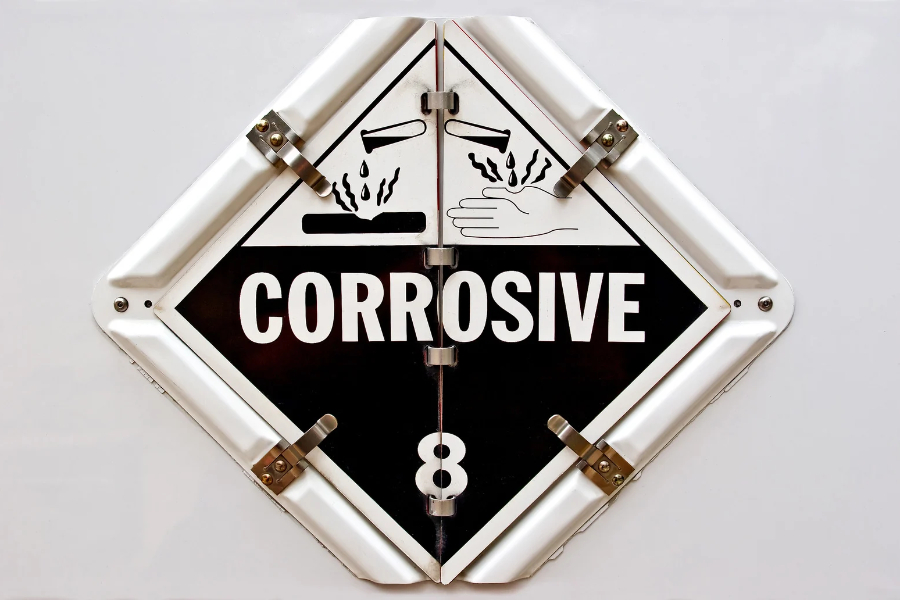
Class 8: Corrosive Materials
Class 8 covers liquids and solids that can cause severe damage to human skin or certain metals under specified conditions.
Examples include:
- Sulfuric acid
- Hydrochloric acid
- Sodium hydroxide
- Certain industrial cleaning chemicals
- Some battery-related materials
Corrosive materials are commonly found in chemical processing, metal treatment, industrial cleaning, and manufacturing operations.
Although people often associate corrosive substances with liquids, certain solids can also meet Class 8 criteria.
Class 9: Miscellaneous Hazardous Materials
Class 9 includes certain hazardous materials that present regulated transportation risks but do not meet the definitions of Classes 1 through 8.
Examples may include:
- Certain lithium batteries
- Dry ice in applicable shipping situations
- Certain environmentally hazardous substances
- Some regulated asbestos materials
Class 9 covers several different types of transportation hazards.
However, it is not a general category for anything considered dangerous. Materials must meet applicable DOT classification requirements to qualify.
Hazardous Material Classes and Their Labels
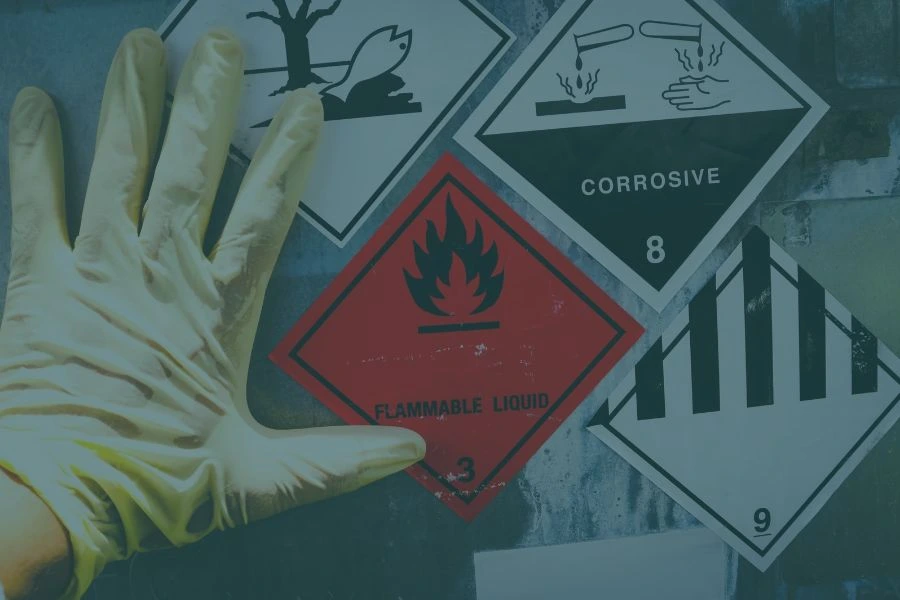
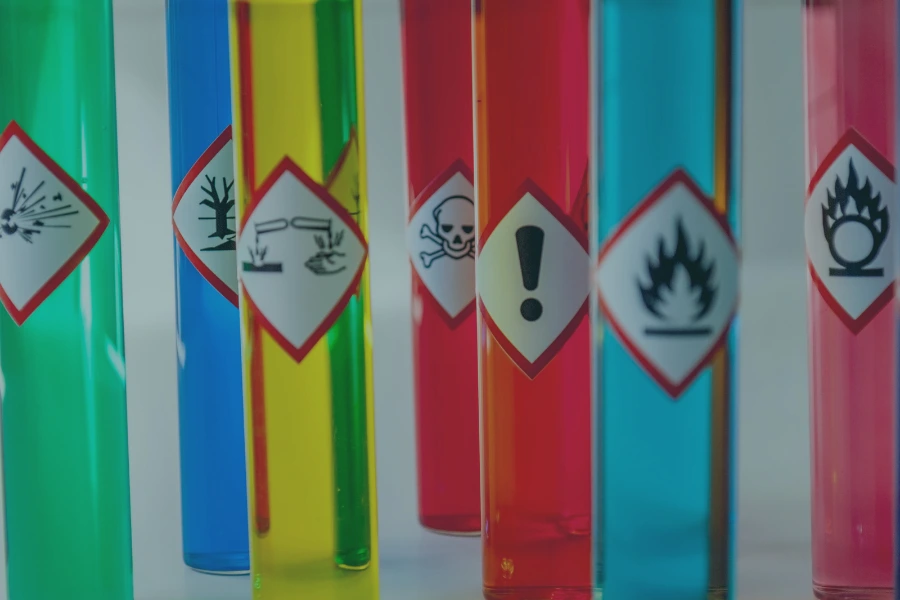
Hazard labels and vehicle placards help communicate the risks associated with hazardous materials during transportation.
The DOT uses standardized symbols, colors, and numbers to distinguish different hazard classes.
| Hazard Class | Common Label or Placard Appearance |
| Class 1: Explosives | Orange |
| Class 2: Gases | Red, green, or white, depending on division |
| Class 3: Flammable Liquids | Red |
| Class 4: Flammable Solids | Red/white stripes, white/red, or blue |
| Class 5: Oxidizers and Organic Peroxides | Yellow or red/yellow |
| Class 6: Toxic and Infectious Substances | Primarily white |
| Class 7: Radioactive Materials | White or yellow/white |
| Class 8: Corrosive Materials | Black and white |
| Class 9: Miscellaneous Hazardous Materials | Black and white |
These colors provide a useful visual reference, but they are not enough to determine the correct shipping requirements.
Actual labeling and placarding obligations depend on the material, hazard division, packaging, quantity, and applicable transportation rules.
The Federal Motor Carrier Safety Administration’s Nine Classes of Hazardous Materials reference provides examples of the standardized placards used to identify transportation hazards.
DOT Hazard Classes vs. EPA Hazardous Waste Classifications
DOT hazard classes and EPA hazardous waste classifications are related, but they serve different purposes.
DOT hazard classes identify hazards associated with transporting regulated materials.
EPA hazardous waste classifications identify certain discarded materials regulated under the Resource Conservation and Recovery Act (RCRA).
For example, a solvent may be classified as a Class 3 flammable liquid during transportation because of its flash point.
If that solvent is later discarded, the business may also need to determine whether it qualifies as hazardous waste under EPA regulations. That determination depends on factors such as the solvent’s composition, how it was used, and whether it meets a hazardous waste listing or characteristic.
A material can be subject to both DOT and EPA requirements, but meeting one classification does not automatically establish the other.
For more information about EPA’s system, see our EPA Hazmat Classifications Guide.
Why Proper Hazardous Material Classification Matters
Correctly identifying a hazardous material’s class is an important part of preparing it for transportation.
Classification can influence several requirements, including:
- Packaging: Selecting containers and packaging appropriate for the material.
- Hazard labels: Identifying the labels and markings required for shipment.
- Documentation: Preparing accurate shipping descriptions and required paperwork.
- Transportation restrictions: Understanding applicable limitations and special provisions.
- Emergency response: Communicating hazards to transporters and emergency personnel.
- Shipment acceptance: Helping prevent delays, rejected loads, or incorrect transportation arrangements.
Consider a manufacturing facility preparing to remove several types of chemical waste. The facility may have flammable solvents, corrosive cleaning solutions, and containers holding other regulated chemicals.
Although these materials are part of the same waste removal project, they may require different DOT classifications, packaging, documentation, and transportation arrangements.
Incorrect classifications can create safety risks, compliance problems, delays, and additional expenses.
Businesses should use available chemical information, Safety Data Sheets (SDS), analytical results where necessary, and applicable DOT regulations when determining the correct classification.
Frequently Asked Questions About Hazardous Material Classes
How Many Hazardous Material Classes Are There?
There are nine DOT hazardous material classes. They cover explosives, gases, flammable liquids, flammable solids, oxidizers and organic peroxides, toxic and infectious substances, radioactive materials, corrosives, and miscellaneous hazardous materials.
What Is the Most Common Hazardous Material Class?
The most common class depends on the industry and materials involved. Class 3 flammable liquids are frequently encountered in fuel and solvent transportation, while gases, batteries, and corrosive chemicals are common in other commercial and industrial operations.
What Is a Class 9 Hazardous Material?
Class 9 covers certain regulated hazardous materials that do not meet the definitions of Classes 1 through 8. Examples include many lithium battery shipments and certain environmentally hazardous materials.
Are Lithium Batteries Class 9 Hazardous Materials?
Many lithium battery shipments are classified as Class 9 hazardous materials. However, the applicable requirements depend on the battery type, condition, packaging, and shipment details.
Are Hazardous Materials and Hazardous Waste the Same Thing?
No. Hazardous materials are regulated based on the risks they present, including during transportation. Hazardous waste refers to certain discarded materials regulated under EPA hazardous waste requirements. A material may fall under both systems.
Who Determines the Hazardous Material Class?
Under DOT regulations, the person offering hazardous materials for transportation is responsible for properly classifying and describing the shipment. This requires reviewing the material’s properties and applicable regulatory requirements.
Can HazWaste Help With Hazardous Waste Transportation Needs?
Yes. HazWaste Environmental Inc helps businesses review waste information, coordinate qualified transporters and service providers, and identify practical treatment and disposal options based on the material and project requirements.
Conclusion
The U.S. Department of Transportation recognizes nine hazardous material classes, each identifying specific risks associated with transporting regulated substances.
Understanding these categories helps businesses recognize potential hazards, prepare accurate shipping documentation, and identify appropriate packaging, labeling, and transportation requirements.
It is also important to distinguish DOT hazard classes from EPA hazardous waste classifications, since both systems may apply to the same material for different reasons.
HazWaste Environmental Inc helps businesses navigate hazardous waste disposal services by coordinating qualified transporters, approved service providers, and appropriate treatment or disposal facilities based on their project requirements.