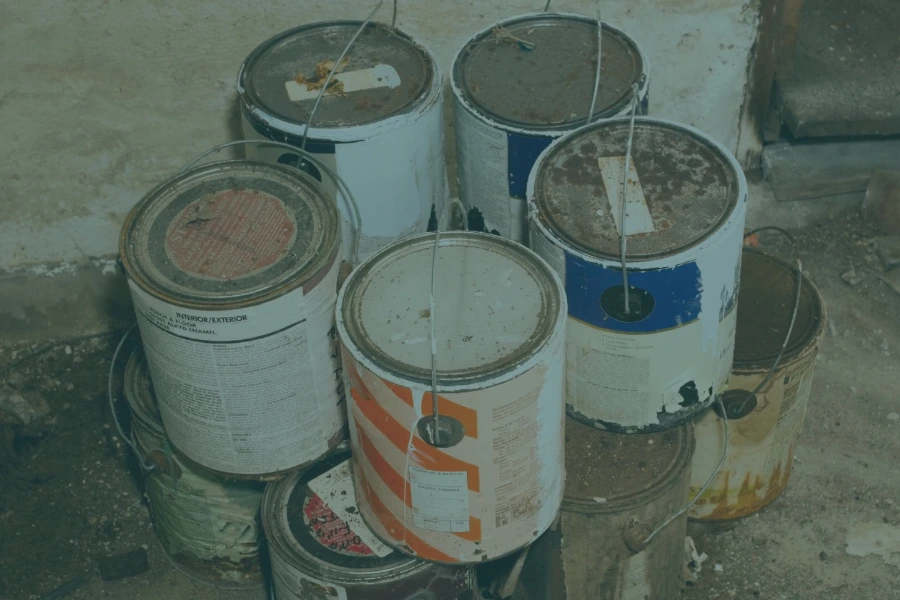
Paint is used in homes, commercial buildings, manufacturing facilities, automotive shops, and industrial operations. However, when paint expires, becomes contaminated, or is no longer needed, disposing of it is not always straightforward.
Not all paint is considered hazardous waste. Its classification depends on the ingredients, chemical properties, contamination, and applicable environmental regulations. Water-based paints, solvent-based coatings, and industrial finishes can all have different disposal requirements.
HazWaste Environmental Inc helps businesses navigate hazardous waste disposal by reviewing paint waste information, coordinating qualified service providers, and identifying appropriate treatment and disposal options.
Is Paint Considered Hazardous Waste?
Paint can be classified as hazardous waste, but not all types of paint meet EPA’s hazardous waste criteria.
Under the Resource Conservation and Recovery Act (RCRA), discarded paint may qualify as hazardous waste because of its flammability, toxic constituents, or other regulated properties.
Common examples include:
- Water-based latex paint: Generally not considered hazardous waste under federal regulations unless it contains regulated contaminants or exhibits a hazardous characteristic.
- Oil-based paint: May qualify as hazardous waste because of flammable solvents or other ingredients.
- Spray paint: May be hazardous because of its contents, propellants, or other chemical properties.
- Industrial coatings: May contain solvents, pigments, or chemicals that require hazardous waste classification.
- Lead-based paint: May qualify as hazardous waste depending on its lead content, how it was generated, and applicable regulatory criteria.
Businesses should evaluate the actual paint waste rather than assume that every paint product follows the same disposal requirements.
What Types of Paint Are Hazardous Waste?
Different paints contain different ingredients, which can affect their hazardous waste classification.
| Paint Type | Potential Hazardous Waste Status |
| Latex paint | Generally nonhazardous under federal rules, depending on composition |
| Acrylic paint | Usually nonhazardous, but formulations vary |
| Oil-based paint | May be hazardous because of ignitability |
| Enamel paint | Depends on whether it is solvent-based or water-based |
| Spray paint | May be hazardous because of contents or propellants |
| Lead-based paint | May meet EPA toxicity criteria |
| Industrial coatings | Depends on solvents, pigments, and other ingredients |
| Automotive paint | May be hazardous due to solvents or regulated constituents |
| Epoxy paint | Depends on formulation and waste characteristics |
| Paint thinner and related solvents | May qualify as listed or characteristic hazardous waste |
Is Latex Paint Hazardous Waste?
Most conventional water-based latex paints do not meet federal RCRA hazardous waste criteria.
These paints typically contain water as the primary liquid carrier rather than the flammable organic solvents commonly found in oil-based products.
However, latex paint is not automatically nonhazardous. Certain formulations may contain regulated substances, and paint can become contaminated during use or storage.
State regulations may also establish requirements beyond federal hazardous waste rules.
Is Oil-Based Paint Hazardous Waste?
Oil-based paint may be considered hazardous waste because it often contains organic solvents that can be flammable.
Oil-based and alkyd paints are commonly used for certain metal surfaces, wood finishes, industrial applications, and protective coatings.
When these products are discarded, they may meet EPA’s ignitability characteristic, particularly if they contain flammable solvents at concentrations that meet applicable regulatory criteria.
However, not every oil-based paint automatically qualifies as hazardous waste. The actual composition and waste characteristics must be evaluated.
Is Spray Paint Hazardous Waste?
Spray paint may qualify as hazardous waste because aerosol cans can contain flammable propellants, solvents, or other hazardous ingredients.
Even when a spray paint can appears empty, remaining contents or pressure may affect how it must be managed.
Under EPA regulations, certain discarded aerosol cans that qualify as hazardous waste can be managed under the universal waste program.
Aerosol cans that meet EPA’s applicable empty-container requirements are generally not regulated as universal waste.
Is Lead-Based Paint Hazardous Waste?
Paint containing lead may qualify as hazardous waste when discarded if it meets EPA’s toxicity characteristic.
This can be relevant when removing paint from older buildings, industrial equipment, structural steel, or other coated surfaces.
Paint chips, sanding dust, stripping residues, and other debris may contain lead concentrations that warrant additional evaluation.
The regulatory classification depends on how the waste was generated and whether it meets applicable hazardous waste criteria. Qualifying household-generated renovation waste may be subject to different requirements than industrial or commercial paint waste.
Is Industrial or Automotive Paint Hazardous Waste?
Industrial and automotive paints frequently contain specialized ingredients designed to improve durability, chemical resistance, and surface protection.
Depending on the formulation, these products may contain flammable solvents, metal-containing pigments, or other regulated chemicals.
Examples include:
- Automotive refinishing coatings
- Industrial primers
- Protective metal coatings
- Solvent-based enamels
- Spray booth paint residues
- Certain epoxy and polyurethane coatings
When these materials become waste, businesses may need to evaluate their composition and determine whether hazardous waste regulations apply.
What Makes Paint Hazardous Under EPA Regulations?
The EPA identifies hazardous waste through specific waste listings and four hazardous characteristics: ignitability, corrosivity, reactivity, and toxicity.
For many paint-related waste streams, ignitability and toxicity are especially relevant.
Ignitability (D001)
Paint waste may qualify as hazardous because it contains flammable ingredients and meets EPA’s ignitability criteria.
Some common solvents used in painting operations include:
- Acetone
- Toluene
- Xylene
- Certain petroleum distillates
Under 40 CFR § 261.21, certain liquid wastes with a flash point below 140°F (60°C) meet the ignitability characteristic, subject to regulatory exceptions and additional criteria.
A discarded solvent-based paint may therefore receive the hazardous waste code D001 if it meets the applicable requirements.
Toxicity (D004–D043)
Paint waste may also qualify as hazardous because it contains regulated toxic contaminants.
Examples include:
- Lead (D008): May be associated with older lead-based coatings and certain industrial paint residues.
- Chromium (D007): May be present in certain pigments, primers, and industrial coatings.
The EPA’s toxicity characteristic evaluates whether specified contaminants exceed regulatory thresholds under the applicable testing criteria.
The presence of lead or chromium does not automatically mean a paint waste is hazardous. The actual waste must meet the applicable criteria.
Listed Hazardous Waste
Some wastes generated during painting operations may qualify as listed hazardous waste.
For example, certain spent solvents used to clean spray equipment, paint lines, or industrial surfaces may fall under EPA hazardous waste listings when they meet the specific listing descriptions.
However, a paint product does not automatically become a listed hazardous waste simply because it contains a chemical that appears on an EPA hazardous waste list.
For additional information, see the EPA’s guidance on typical wastes generated by industry sectors.
How Do You Determine if Paint Is Hazardous Waste?
Businesses generating paint waste are responsible for making appropriate hazardous waste determinations under applicable regulations.
The following steps can help organize that process:
- Identify the paint type. Determine whether the material is latex, acrylic, oil-based, solvent-based, epoxy, or another coating formulation.
- Review the Safety Data Sheet (SDS). Look for information about chemical ingredients, flash point, physical properties, and potential hazards.
- Determine how the waste was generated. Identify whether the material is unused, expired, contaminated, mixed with other substances, or produced during painting operations.
- Evaluate hazardous characteristics. Review whether the waste could meet EPA criteria for ignitability, corrosivity, reactivity, or toxicity, or qualify under a specific hazardous waste listing.
- Determine whether testing is necessary. Analytical testing may be needed when available product and process information is insufficient.
- Review applicable state requirements. Some states regulate additional materials or establish requirements beyond federal hazardous waste regulations.
An SDS can provide useful information, but it does not automatically establish the regulatory classification of a discarded paint waste stream.
Frequently Asked Questions About Paint Hazardous Waste
Is All Paint Considered Hazardous Waste?
No. Some paints qualify as hazardous waste because of their chemical properties or regulated ingredients, while others may be managed as nonhazardous waste under applicable regulations.
Is Dried Paint Hazardous Waste?
It depends on the paint’s composition, contamination, and applicable regulations. Drying paint does not automatically eliminate its hazardous waste classification.
Is Latex Paint Hazardous Waste?
Most conventional latex paints do not qualify as hazardous waste under federal RCRA criteria, but certain formulations, contamination, and state requirements may affect their classification.
Is Oil-Based Paint Hazardous Waste?
Oil-based paint may qualify as hazardous waste because it contains flammable solvents or other regulated constituents. Its actual classification depends on the material and applicable criteria.
Is Spray Paint Considered Hazardous Waste?
Some discarded spray paint cans qualify as hazardous waste and may be eligible for management under EPA’s universal waste regulations.
Can You Throw Paint in the Trash?
It depends on the paint type, waste classification, and applicable state and local regulations. Businesses should not assume that liquid or hazardous paint waste can be placed in ordinary trash.
Can You Pour Paint Down the Drain?
Paint should not be poured into drains unless the discharge is specifically allowed under applicable wastewater and local sewer requirements. Many paint products contain substances that can create treatment or environmental concerns.
What Is the EPA Waste Code for Paint?
There is no single EPA hazardous waste code for every type of paint. Depending on the waste’s composition and characteristics, applicable codes may include D001 for ignitability, D007 for chromium, D008 for lead, or certain listed waste codes.
Can HazWaste Help With Paint Waste Disposal?
Yes. HazWaste Environmental Inc helps businesses review paint waste information, coordinate qualified service providers, and identify suitable treatment, recycling, and disposal options.
Conclusion
Not all paint is hazardous waste, but oil-based paints, certain industrial coatings, spray paints, and lead-containing paint waste may require additional evaluation.
Because paint formulations and waste characteristics vary, businesses should identify the material and review applicable regulations before arranging recycling or disposal.
Proper classification helps determine appropriate storage, transportation, treatment, and disposal requirements while reducing the risk of unnecessary costs and compliance problems.
HazWaste Environmental Inc helps businesses with hazardous paint waste disposal solutions by coordinating qualified service providers, reviewing waste classifications, and identifying appropriate treatment and disposal facilities.