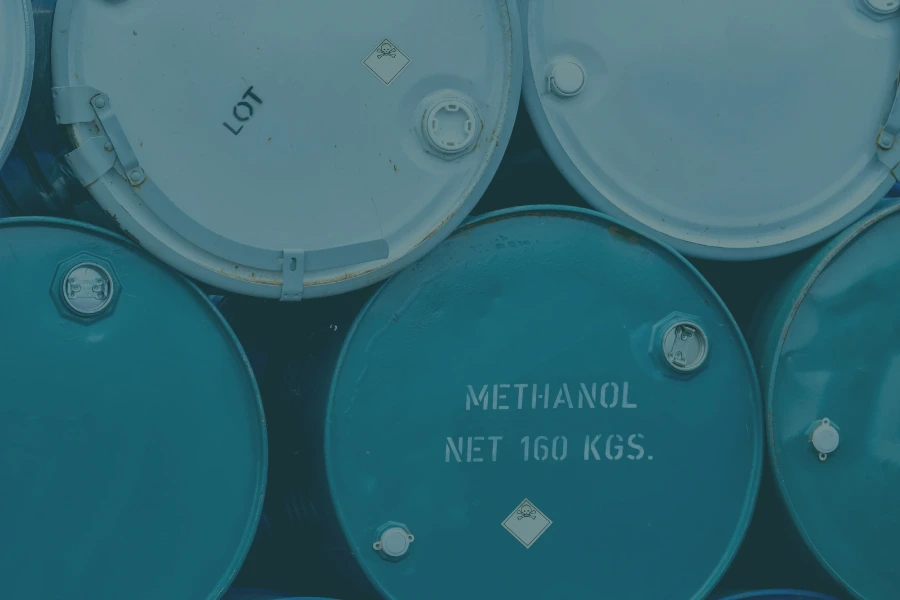
Methanol, also known as methyl alcohol or wood alcohol, is commonly used in laboratories, manufacturing facilities, chemical processing, and industrial operations. It serves as a solvent, fuel, and chemical feedstock in a variety of commercial applications.
When methanol expires, becomes contaminated, or is no longer needed, proper disposal is essential because it is highly flammable and toxic. Depending on its characteristics and how it was generated, discarded methanol may also be regulated as hazardous waste under EPA regulations.
HazWaste Environmental Inc helps businesses arrange hazardous disposal services by reviewing waste information, identifying appropriate disposal options, and coordinating qualified service providers.
Quick Answer: How Do You Dispose of Methanol?
Methanol should be stored in compatible, properly labeled containers and managed through an appropriate hazardous waste disposal or solvent recovery service. Available disposal options include:
- HazWaste Environmental Inc: Businesses can arrange methanol disposal services through HazWaste for expired, unused, contaminated, or bulk methanol.
- Hazardous Waste Collection Programs: Eligible residential methanol waste may be accepted by participating household hazardous waste facilities.
- Solvent Recycling and Recovery: Certain methanol waste streams can be processed by qualified solvent reclamation facilities.
- Manufacturer or Supplier Returns: Some suppliers accept eligible unused or unopened methanol products through established return arrangements.
Methanol should never be poured into drains, placed in ordinary trash, or deliberately evaporated as a disposal method.
What Is Methanol?
Methanol (CH₃OH) is a colorless, highly flammable alcohol used as an industrial solvent, chemical feedstock, and fuel. It is also known as methyl alcohol or wood alcohol.
Methanol is toxic when swallowed and can also cause harmful effects through inhalation or skin absorption. According to the CDC’s National Institute for Occupational Safety and Health (NIOSH), methanol has a flash point of approximately 52°F (11°C), making fire prevention an important consideration during storage and disposal.
Common Uses of Methanol
| Application | Common Methanol Waste |
| Laboratories | Expired reagents and spent laboratory solvents |
| Chemical manufacturing | Off-specification methanol and process residues |
| Industrial cleaning | Used or contaminated cleaning solvents |
| Pharmaceutical manufacturing | Spent extraction and processing solvents |
| Fuel applications | Unused or contaminated methanol fuel |
| Chemical production | Methanol-containing process mixtures |
Methanol waste may contain water, other solvents, or chemical contaminants depending on its original application. These differences can affect its hazardous waste classification and the appropriate disposal method.
Can Methanol Be Properly Disposed Of?
Yes. Methanol can be managed through hazardous waste disposal services or approved solvent recycling arrangements. The appropriate method depends on whether the methanol is unused, spent, contaminated, or mixed with other chemicals.
Is Methanol Considered Hazardous Waste?
Methanol can qualify as hazardous waste under the Resource Conservation and Recovery Act (RCRA).
The EPA identifies several hazardous waste codes that may apply to discarded methanol:
| EPA Waste Code | When It May Apply |
| D001 | Methanol waste exhibiting the ignitability characteristic |
| F003 | Certain spent methanol solvents and qualifying solvent mixtures |
| U154 | Discarded unused methanol meeting the commercial chemical product listing requirements |
D001 applies to wastes meeting EPA’s ignitability criteria. Pure methanol has a low flash point and can readily meet these criteria when discarded.
F003 covers certain spent nonhalogenated solvents, including methanol used for its solvent properties, and qualifying solvent mixtures.
U154 applies to certain discarded unused commercial chemical products containing methanol as the qualifying listed chemical.
These codes do not automatically apply to every methanol-containing mixture. The correct classification depends on the waste’s composition, source, and applicable regulatory criteria.
For more information, see the EPA’s hazardous waste classification guidance.
Household vs. Commercial Methanol Disposal
Methanol disposal requirements differ depending on where the waste originates.
Household methanol waste is generally excluded from federal RCRA hazardous waste regulations when it qualifies for the household waste exclusion. However, state and local disposal restrictions may still apply.
Commercial methanol waste may be subject to hazardous waste generator requirements. Businesses must evaluate their discarded methanol and follow applicable regulations for storage, transportation, treatment, and disposal.
For example, a homeowner with a small container of unwanted methanol-containing product may be able to use a household hazardous waste collection program. A manufacturing facility with multiple drums of spent methanol may require commercial hazardous waste disposal services.
How to Prepare Methanol for Disposal
Follow these steps to prepare unwanted methanol for disposal while minimizing flammability and exposure risks.
1. Identify the Methanol Waste
Review product labels and Safety Data Sheets (SDS) to identify the methanol concentration and any other chemicals present. Note whether the material is unused, expired, contaminated, or spent.
2. Keep Methanol in Appropriate Containers
Keep methanol in compatible, properly labeled containers suitable for flammable liquids. Avoid transferring it into unsuitable or unmarked containers.
3. Keep Away From Ignition Sources
Store methanol away from flames, sparks, heat, and other ignition sources. Follow applicable flammable liquid storage and ventilation requirements.
4. Separate Incompatible Chemicals
Keep methanol away from strong oxidizers and other incompatible substances. Never combine methanol with unrelated chemical waste streams.
5. Check Container Condition
Visually inspect containers for leaks, corrosion, or damage without unnecessary handling. If a container is leaking or unstable, contact qualified hazardous materials personnel.
6. Document the Waste Information
Record the methanol concentration, estimated quantity, container sizes, and available Safety Data Sheets. Include information about contamination or other chemicals present.
7. Arrange Methanol Disposal
Contact HazWaste Environmental Inc to review your methanol waste and coordinate an appropriate disposal or solvent recovery service.
Where Can You Dispose of Methanol?
Methanol disposal options depend on the waste’s chemical composition, quantity, and whether it was generated by a household or business.
Commercial Hazardous Waste Disposal Services
Businesses, laboratories, and industrial facilities can arrange methanol disposal services through HazWaste Environmental Inc. Disposal arrangements depend on the material’s classification, quantity, and receiving facility requirements.
Solvent Recycling and Recovery Facilities
Certain spent methanol waste streams may qualify for solvent recycling or reclamation. Specialized facilities can recover usable solvents from suitable materials under applicable waste management requirements.
Household Hazardous Waste Facilities
Some municipal and county hazardous waste collection programs accept methanol-containing products from residents. Confirm accepted materials and quantity limits before visiting, as most residential programs exclude commercial waste.
Manufacturer or Supplier Return Programs
Certain manufacturers or chemical suppliers may accept eligible unused methanol products through established return programs. Contact the supplier to confirm eligibility and applicable transportation requirements.
Contaminated or Unknown Methanol Waste
Methanol mixed with unidentified chemicals or stored in damaged containers may require specialized evaluation. Avoid handling unstable materials and contact qualified hazardous materials personnel before arranging transportation.
Frequently Asked Questions About Methanol Disposal
Can Methanol Be Poured Down the Drain?
Methanol should not be poured down drains as a routine disposal method. Its flammable vapors can create hazards in wastewater systems, and any industrial discharge must comply with applicable wastewater regulations and authorization requirements.
Can You Throw Methanol in the Trash?
No. Liquid methanol should not be placed in ordinary trash. Commercial methanol waste may require management under federal and state hazardous waste regulations.
Is Methanol Hazardous Waste?
Methanol may qualify as hazardous waste under EPA regulations because of its ignitability or applicable hazardous waste listings. Depending on its source and characteristics, D001, F003, or U154 may apply.
What Is the EPA Waste Code for Methanol?
Methanol may be associated with D001 for ignitability, F003 for certain spent solvents, and U154 for qualifying discarded unused commercial chemical products. The correct code depends on how the waste was generated and its composition.
Can Methanol Be Recycled?
Yes. Certain methanol waste streams can be recycled through specialized solvent recovery processes. Recycling eligibility depends on the material’s purity, contamination, and receiving facility requirements.
Can Methanol Be Left to Evaporate?
No. Deliberately evaporating methanol is not an appropriate waste disposal method. Methanol vapors are flammable and toxic, creating potential fire, exposure, and environmental compliance concerns.
Is Methanol the Same as Rubbing Alcohol?
No. Methanol is chemically different from isopropyl alcohol, which is commonly used in rubbing alcohol. Both are flammable, but they have different properties and health risks.
How Do You Dispose of Methanol in a Laboratory?
Laboratories should collect unwanted methanol in compatible, properly labeled chemical waste containers and follow established hazardous waste procedures. Disposal or solvent recovery must comply with applicable generator and waste management requirements.
Can Businesses Arrange Bulk Methanol Disposal?
Yes. Businesses can arrange commercial disposal or solvent recovery services for larger methanol quantities, including drums and totes. The waste may require characterization and review of packaging, transportation, and receiving facility requirements.
Can HazWaste Help With Methanol Disposal?
HazWaste Environmental Inc helps businesses review methanol waste information, identify appropriate disposal or recycling options, and coordinate qualified service providers.
Conclusion
Methanol requires careful handling and disposal because of its flammability, toxicity, and potential classification as hazardous waste. Whether the material is unused, expired, or contaminated, identifying its composition and applicable regulatory requirements is essential.
Commercial hazardous waste disposal and solvent recycling are potential management options depending on the material’s condition and composition.
HazWaste Environmental Inc supports businesses with hazardous disposal solutions by reviewing waste information, coordinating qualified service providers, and identifying appropriate treatment, recycling, and disposal options.