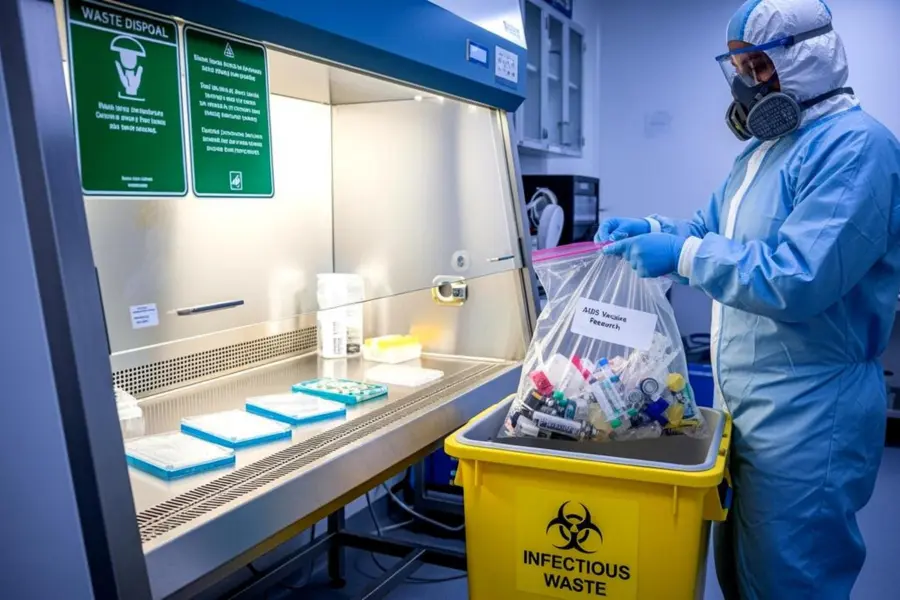
Many businesses generate universal waste without realizing it. Batteries, fluorescent lamps, aerosol cans, mercury-containing equipment, and certain pesticides may seem like everyday materials, but they can still require specific storage, labeling, collection, transportation, recycling, or disposal steps.
Universal waste rules exist because these materials are common across many facilities, but they should not be treated like ordinary trash. HazWaste Environmental Inc helps businesses remove universal waste. We do this through coordinating approved service providers, and organize practical next steps for collection, recycling, treatment, disposal, and documentation.
What is Universal Waste?
Universal waste is a category of commonly generated hazardous waste that can be managed under streamlined requirements when it meets applicable rules. It includes certain materials that are widely generated by businesses, institutions, industrial facilities, and other organizations.
The key point is that universal waste is still regulated waste. The rules are simply designed to make collection and recycling easier for common materials while still helping prevent improper disposal, leaks, breakage, fires, spills, or releases to the environment.
Why Did the EPA Create Universal Waste Rules?
The EPA created universal waste rules because certain hazardous wastes are generated by a wide range of businesses and facilities. Without a more practical system, many of these materials could be stored incorrectly, thrown away, or handled inconsistently.
The universal waste program encourages proper collection and recycling while reducing some of the regulatory burden compared to full hazardous waste rules. That makes it easier for businesses, municipalities, retailers, schools, industrial sites, and other facilities to route common regulated materials into better end-of-life channels.
Main Types of Universal Waste
Batteries
Certain batteries may qualify as universal waste depending on their chemistry, condition, and applicable rules. Common examples include lithium-ion, nickel-cadmium, mercury-oxide, sealed lead-acid, silver-oxide, and other regulated battery types.
Battery waste should be reviewed carefully because damaged, leaking, swollen, mixed, or improperly packaged batteries can create additional safety and transportation concerns.
Pesticides
Certain recalled, suspended, unused, or waste pesticides may qualify as universal waste when they meet applicable requirements. These materials may come from agricultural operations, property management companies, schools, municipal facilities, warehouses, landscaping operations, or commercial storage areas.
Pesticides should not be mixed, poured out, or discarded casually. Labels, container condition, product status, and collection program requirements can all affect the next step.
Mercury-Containing Equipment
Mercury-containing equipment includes devices or parts of devices that contain elemental mercury. Common examples include thermostats, thermometers, barometers, pressure gauges, switches, relays, and manometers.
These items should be stored in a way that prevents breakage or release. If mercury-containing equipment is damaged, leaking, or broken, it may require additional review and a different handling approach.
Lamps
Lamps may qualify as universal waste when they contain regulated constituents such as mercury. Common examples include fluorescent tubes, compact fluorescent lamps, high-intensity discharge lamps, mercury vapor lamps, metal halide lamps, neon lamps, and high-pressure sodium lamps.
The biggest issue with lamps is breakage. Businesses should store lamps in sturdy containers or boxes that help prevent crushing, cracking, or accidental release.
Aerosol Cans
Aerosol cans may qualify as universal waste when they meet applicable requirements. Examples can include maintenance sprays, lubricants, cleaning sprays, paint sprays, degreasers, insecticides, pesticides, and other pressurized aerosol products.
Not every aerosol can should be treated the same way. Empty, partially full, damaged, leaking, or flammable aerosol cans may have different handling, storage, and routing requirements.
Universal Waste Storage, Labeling, and Handling Basics
Universal waste should be stored in a clean, organized, and clearly labeled area. The goal is to prevent leaks, spills, fires, breakage, and confusion about what is being stored.
In general, businesses should store universal waste in closed, compatible containers and keep materials separated by type. Batteries should be protected from short-circuiting when needed, lamps should be protected from breakage, aerosol cans should be reviewed for damage or remaining contents, and mercury-containing equipment should be handled carefully to avoid releases.
Universal waste containers should also be clearly labeled by waste type. Common label examples include:
- Universal Waste — Batteries
- Universal Waste — Lamps
- Universal Waste — Aerosol Cans
- Universal Waste — Mercury-Containing Equipment
- Universal Waste — Pesticides
Businesses should also track how long universal waste has been stored and avoid letting materials pile up indefinitely. Damaged, leaking, broken, or unknown materials should be separated and reviewed before they are moved, packaged, shipped, recycled, treated, or disposed of.
Do Universal Waste Rules Vary by State?
Yes. Federal universal waste rules provide the baseline, but states may add materials or apply different handling, storage, labeling, accumulation, or collection requirements.
That means a material treated one way in one state may need a different approach somewhere else. Some states may have additional rules for electronics, paint, pharmaceuticals, mercury-containing devices, or other regulated materials. Before building a universal waste program, businesses should check the rules that apply in their state and confirm how each waste stream should be stored, labeled, packaged, transported, recycled, treated, or disposed of.
When Should a Business Get Help?
A business should get help with universal waste when the material is recurring, damaged, mixed, unlabeled, stored across multiple locations, or difficult to classify. Support is also useful when a company has questions about storage, labeling, packaging, transportation, recycling, treatment, disposal, or documentation.
For example, a warehouse may have mixed batteries and old lamps sitting in a maintenance area. A school may be cleaning out closets filled with outdated pesticides, lamps, or mercury-containing devices. A facility may be replacing fluorescent lighting across an entire building. A property manager may find old mercury thermostats during renovation work. A retailer may have partially full aerosol cans or old pesticide inventory that cannot simply be thrown away.
In these situations, the safest next step is to review the material before moving it, mixing it, shipping it, or placing it in a disposal stream.
Frequently Asked Questions About Universal Waste
What is universal waste?
Universal waste is a category of commonly generated hazardous waste that can be managed under streamlined requirements when it meets applicable rules.
Is universal waste still hazardous waste?
Yes. Universal waste is still hazardous waste, but it follows specific management rules designed for common waste streams.
What are the five federal types of universal waste?
The five federal categories are batteries, pesticides, mercury-containing equipment, lamps, and aerosol cans.
Can universal waste go in the trash?
Generally, no. Universal waste should be collected, labeled, stored, transported, and routed through appropriate recycling, treatment, or disposal channels.
How long can universal waste be stored?
Universal waste is generally subject to accumulation limits. Many businesses use one year as a key planning benchmark, but requirements can vary.
Does universal waste need labels?
Yes. Containers should clearly identify the waste type, such as “Universal Waste — Batteries” or “Universal Waste — Lamps.”
Can HazWaste help with universal waste?
HazWaste can help businesses review universal waste streams, coordinate approved service providers, and support documentation for collection, recycling, treatment, or disposal routes.
Conclusion
Universal waste rules help businesses manage common regulated materials more safely and efficiently. Batteries, lamps, mercury-containing equipment, pesticides, and aerosol cans may seem routine, but they still require proper storage, labeling, handling, transportation, and routing.
Businesses should identify what they generate, separate materials by type, label containers clearly, track accumulation time, and arrange service before universal waste becomes difficult to manage.
HazWaste Environmental Inc can help your business review universal waste materials, coordinate approved service providers, and organize practical next steps for collection, recycling, treatment, disposal, and documentation.